Hydroxyethyl Cellulose (HEC) is a non-ionic thickener used in waterborne architectural paints.
It builds viscosity, improves handling during application, supports stable storage. Share your paint type and target KU or ICI. We will suggest a simple test plan.
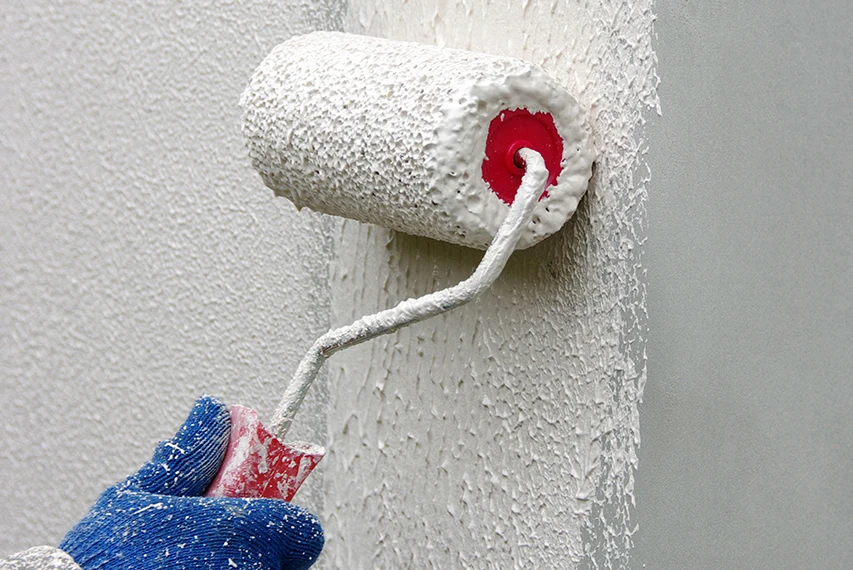
– Viscosity build for better in-can feel
– Flow control for smooth brush or roller application
– Sag resistance on vertical surfaces
– Spatter control support in many systems
HEC is commonly used in architectural latex paint to adjust viscosity and shape flow behavior. It can improve paint feel during mixing, filling, rolling, brushing. It also helps keep pigments suspended for stable storage. Results depend on binder type, PVC, dispersant package, temperature, plus shear history. Some processes prefer faster dispersion to reduce fisheyes during incorporation. A short lab test usually confirms the best approach. Send your system type, target viscosity, application method. We will recommend evaluation options.
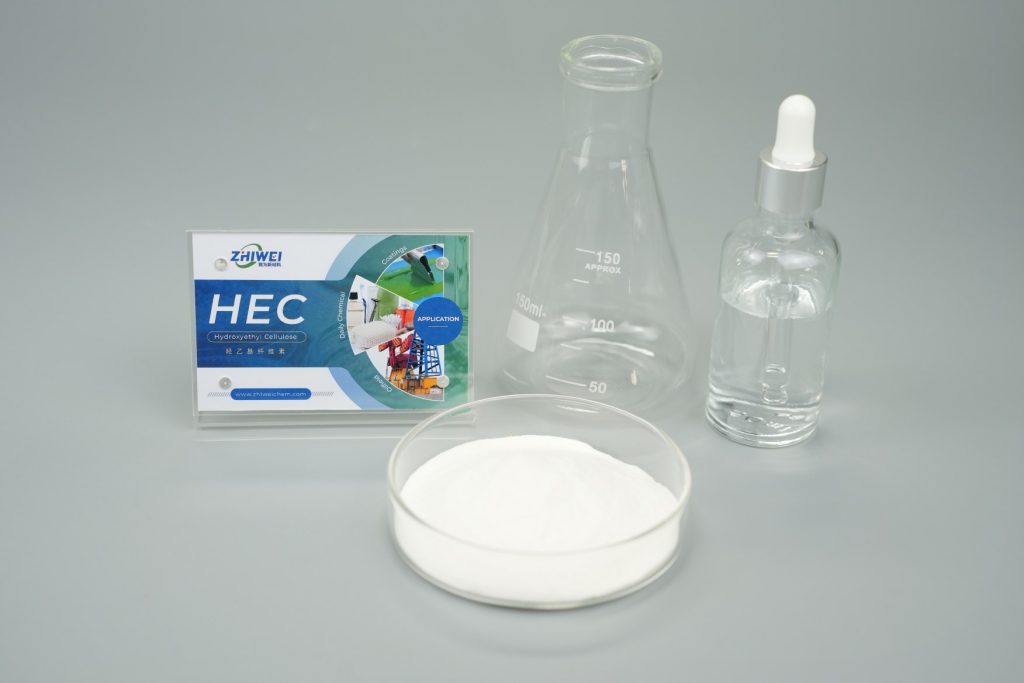
Builds target viscosity with a smooth, shear-thinning profile.
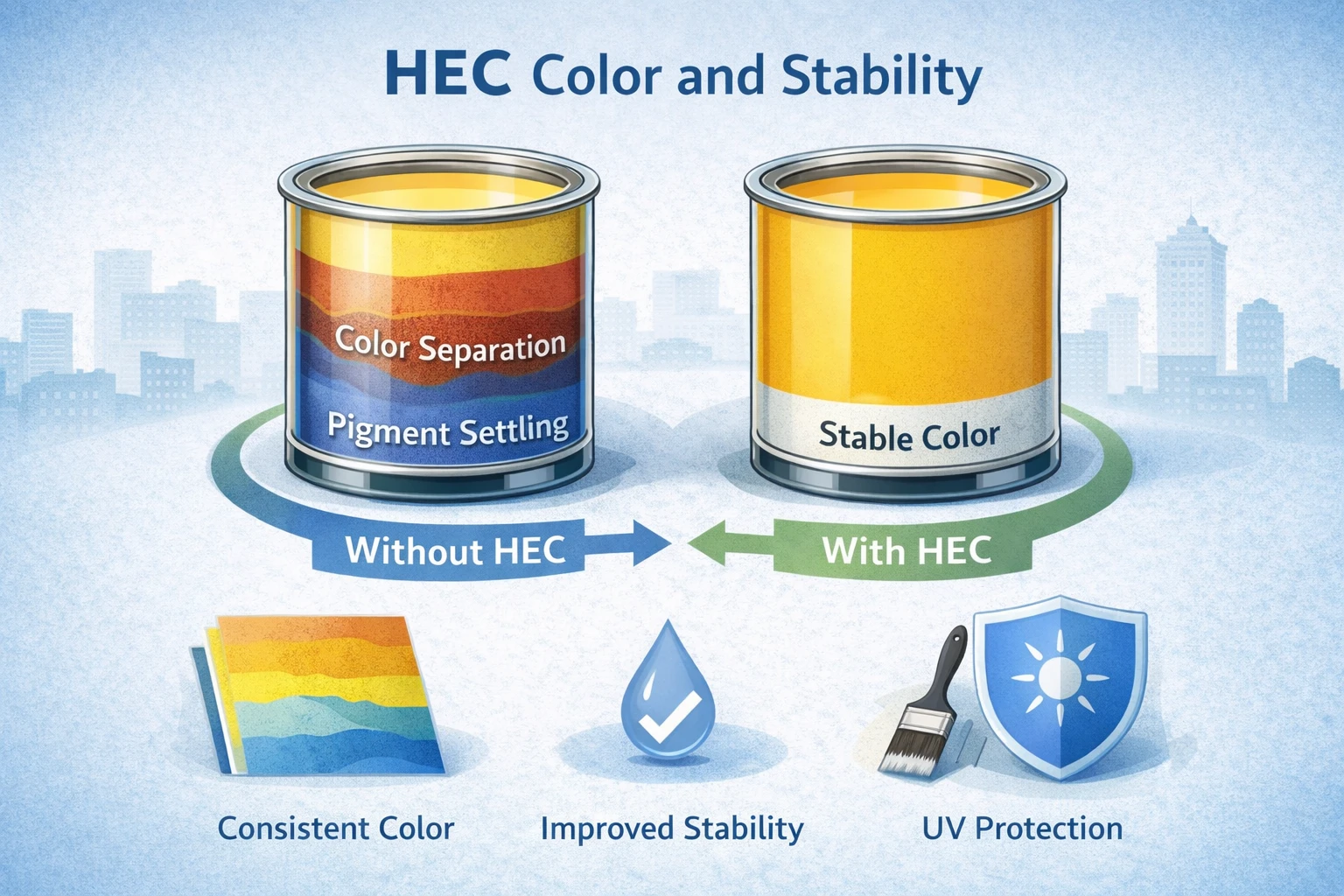
Supports pigment suspension, stable appearance during storage.
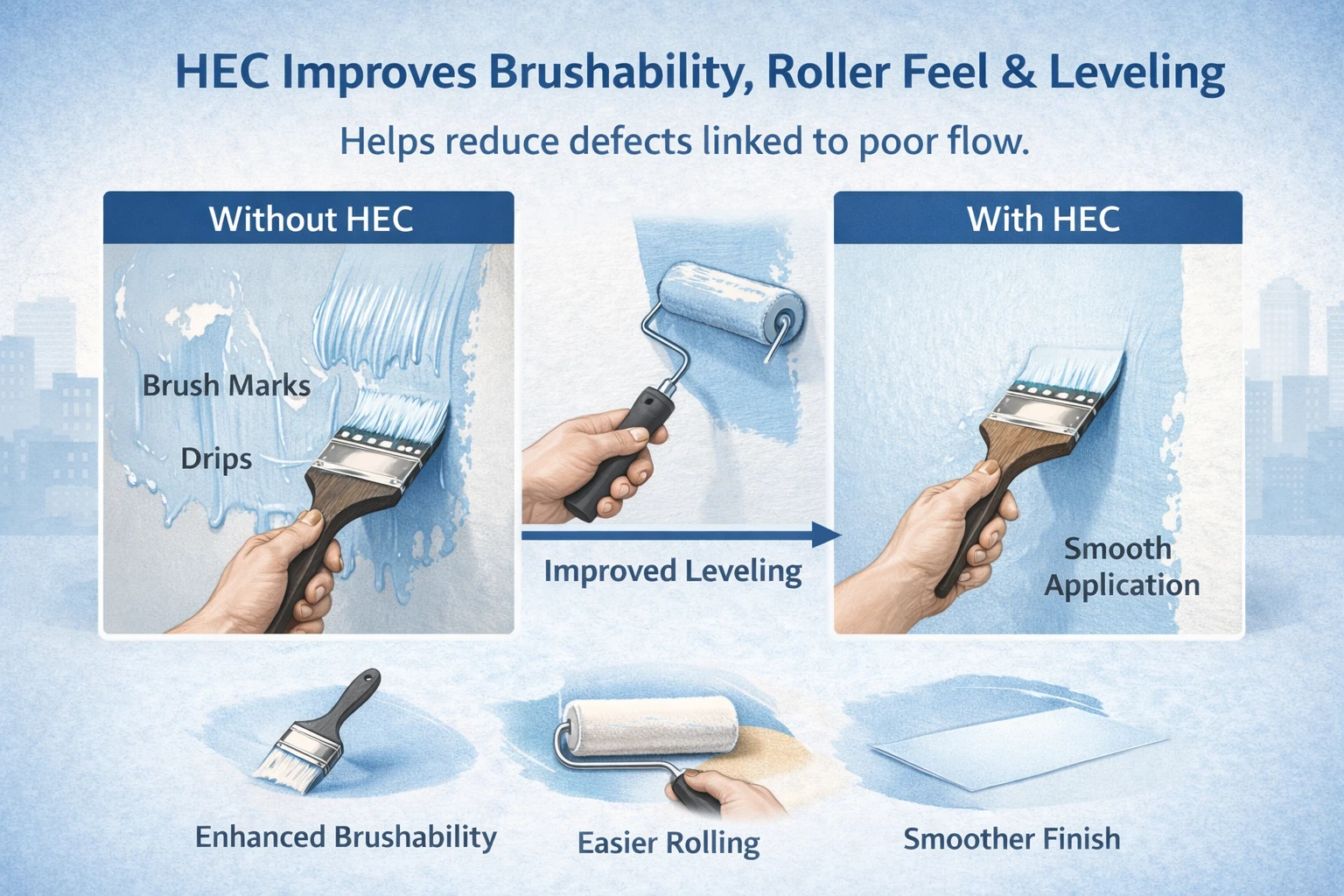
Improves brushability, roller feel, leveling. Helps reduce defects linked to poor flow.
1) Add powder slowly into moving water. Avoid dumping.
2) Maintain steady agitation during addition.
3) Allow hydration time before final viscosity adjustment.
4) Add sensitive ingredients later when possible.
5) Check viscosity after rest. Confirm repeatability.
Yes. HEC is widely used as a paint thickener. Share your system for better matching.
It can help control flow behavior and application feel. Confirm with a drawdown test.
Many paints use HEC to support low-shear viscosity. This can improve sag control.
Use controlled addition, steady agitation, enough hydration time before adjustments.
Some systems benefit from cellulosic thickener choices. Share your spatter issue for a clearer plan.
TDS and SDS. COA is available by batch on request.
Send your base system and targets. Get a clear sample plan.