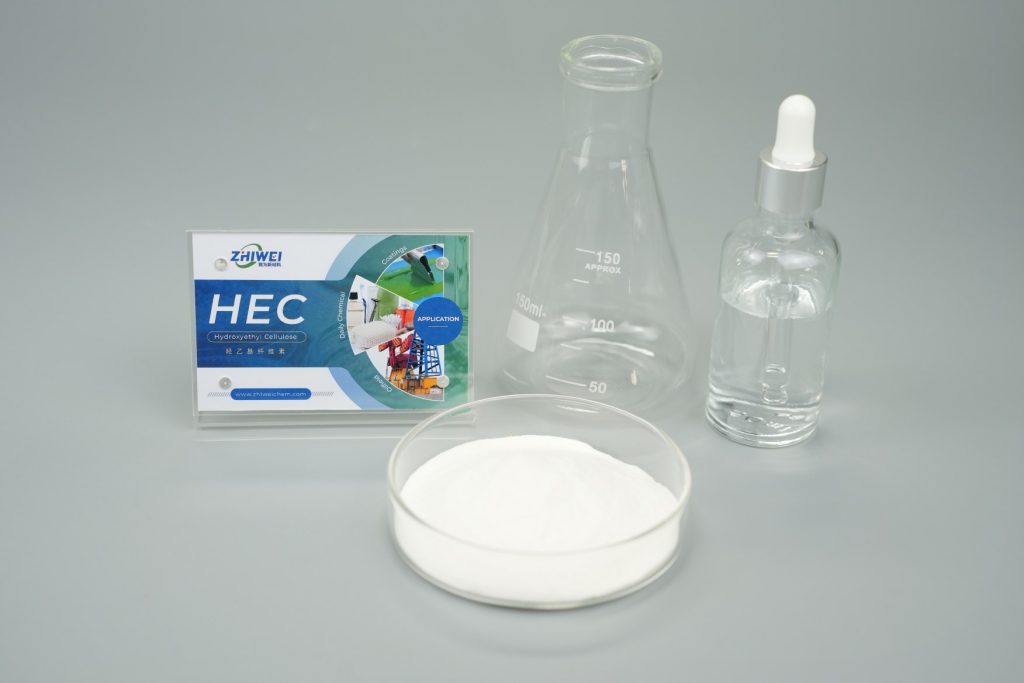
Hydroxyethyl Cellulose (HEC) is a non-ionic thickener used in water-based ink systems.
It builds viscosity, shapes flow, supports stable pigment suspension.
Share your ink type and target viscosity. We will suggest a simple test plan.

Viscosity build for controlled transfer
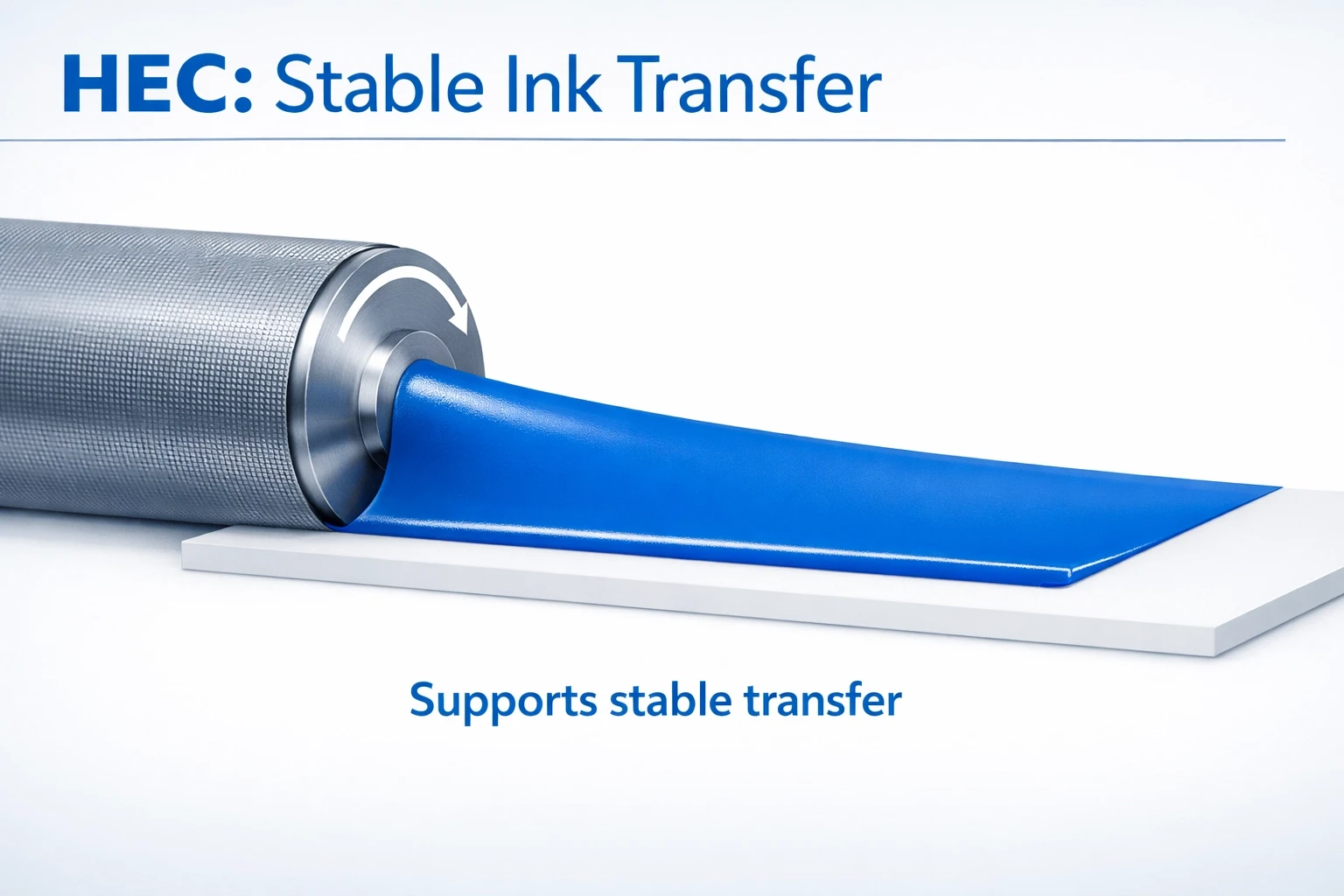
Flow control for cleaner laydown
Pigment suspension for stable color
Print definition support on porous substrates
HEC is used in water-based inks to adjust viscosity and control flow behavior during production and printing. It can help keep pigments suspended, support uniform laydown, reduce issues linked to unstable rheology. Results depend on pigment type, binder system, pH, electrolyte level, plus shear history. Some processes prefer cleaner dispersion to reduce fisheyes during incorporation. A short bench test usually confirms the best approach. Send your ink type, substrate, target viscosity range, plus your mixing method. We will recommend evaluation options.
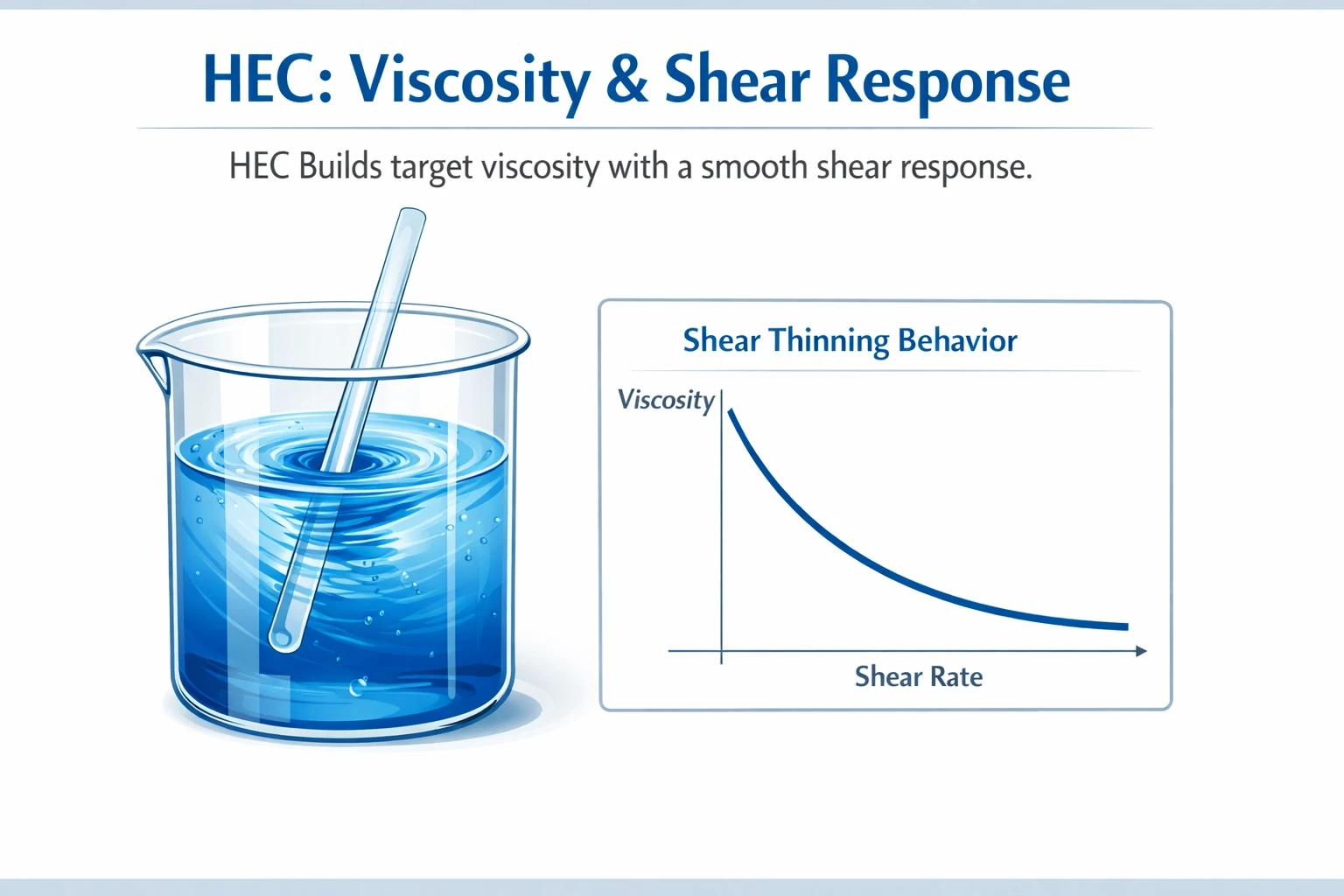
Builds target viscosity with a smooth shear response.
Helps reduce settling. Supports consistent color over time.
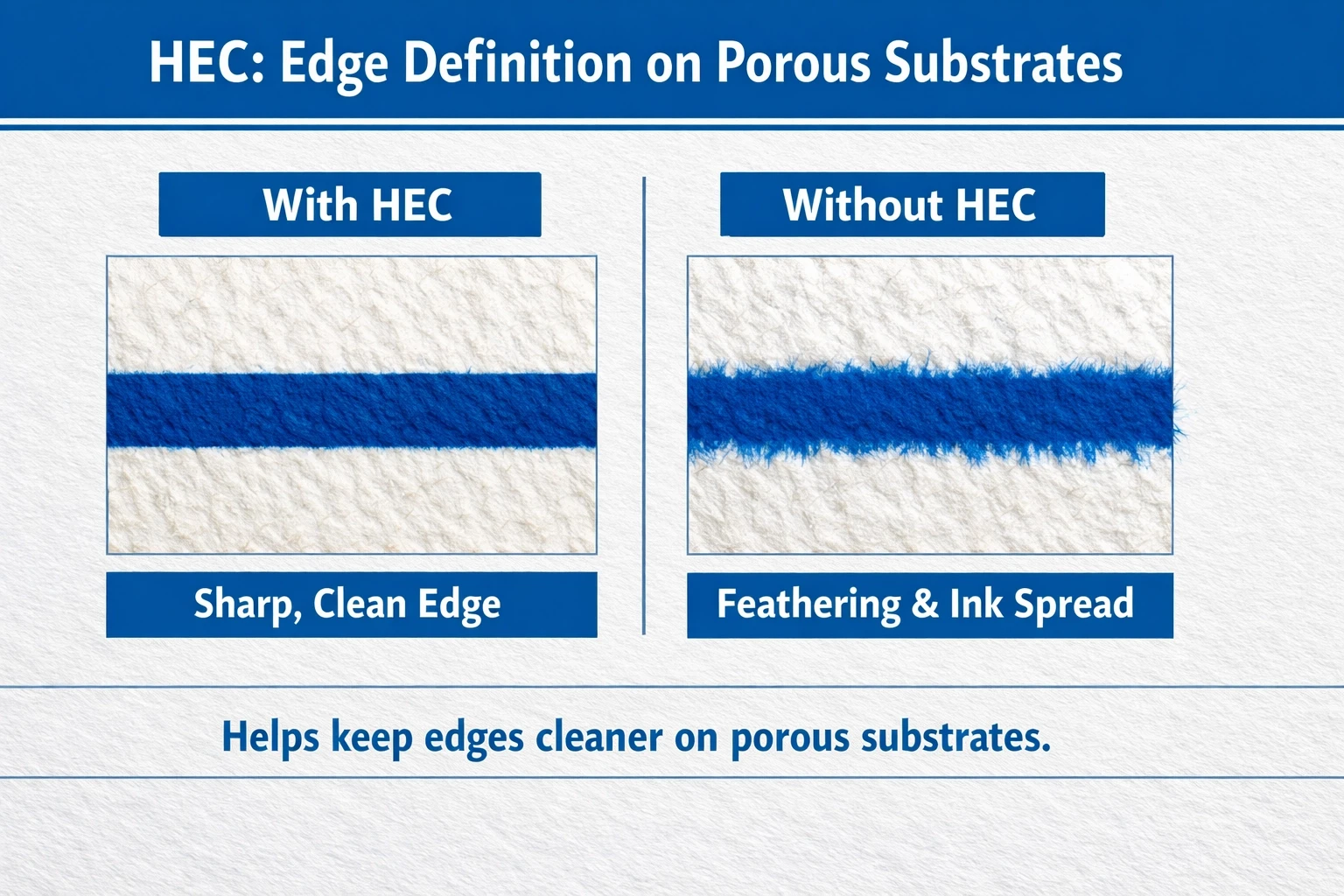
Supports stable transfer. Helps keep edges cleaner on porous substrates.

Add powder slowly into moving water. Avoid dumping.
Maintain steady agitation during addition.
Allow hydration time before final adjustment.
Add sensitive ingredients later when possible.
Check viscosity after rest. Confirm repeatability.
Yes. HEC is used as a thickener in water-based ink formulations. Share your ink type for better matching.
It can support suspension by building low-shear viscosity. Confirm with a storage test.
Flow control influences laydown and edge quality. Confirm with drawdown or press trials.
Use controlled addition and steady agitation. Allow hydration before final viscosity steps.
Substrate, binder type, solids, target viscosity, temperature, key issue.
TDS and SDS. COA is available by batch on request.
Send your ink type and targets. Get a clear sample plan.