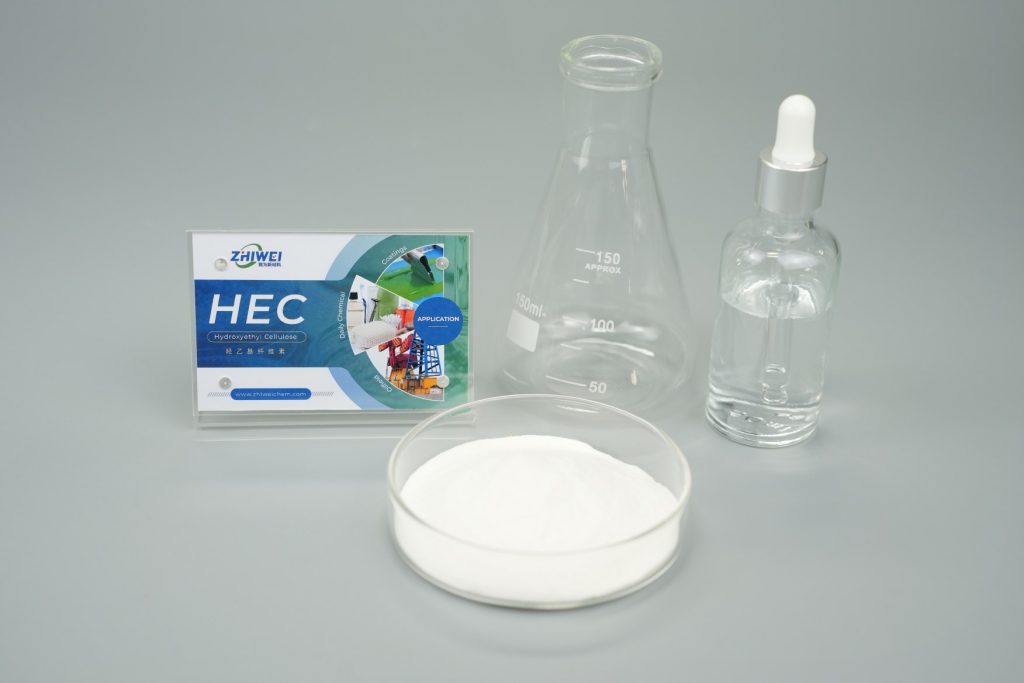
Hydroxyethyl Cellulose (HEC) is a non-ionic polymer used to build viscosity in brine-based fluid systems.
It delivers smooth, pseudoplastic flow with low gel build.
Share your fluid type and brine. We will suggest a test plan and sample options.

HEC is used in oilfield fluid systems that require stable viscosity in brines. It helps shape flow behavior during circulation, supports solids transport, and keeps fluid handling consistent. Performance depends on brine type, salt level, temperature, solids, plus shear history. Some systems require a cleaner hydration profile to reduce fisheyes during mixing. A short lab test usually confirms the right approach. Send your target viscosity range and fluid description. We will recommend options for evaluation.
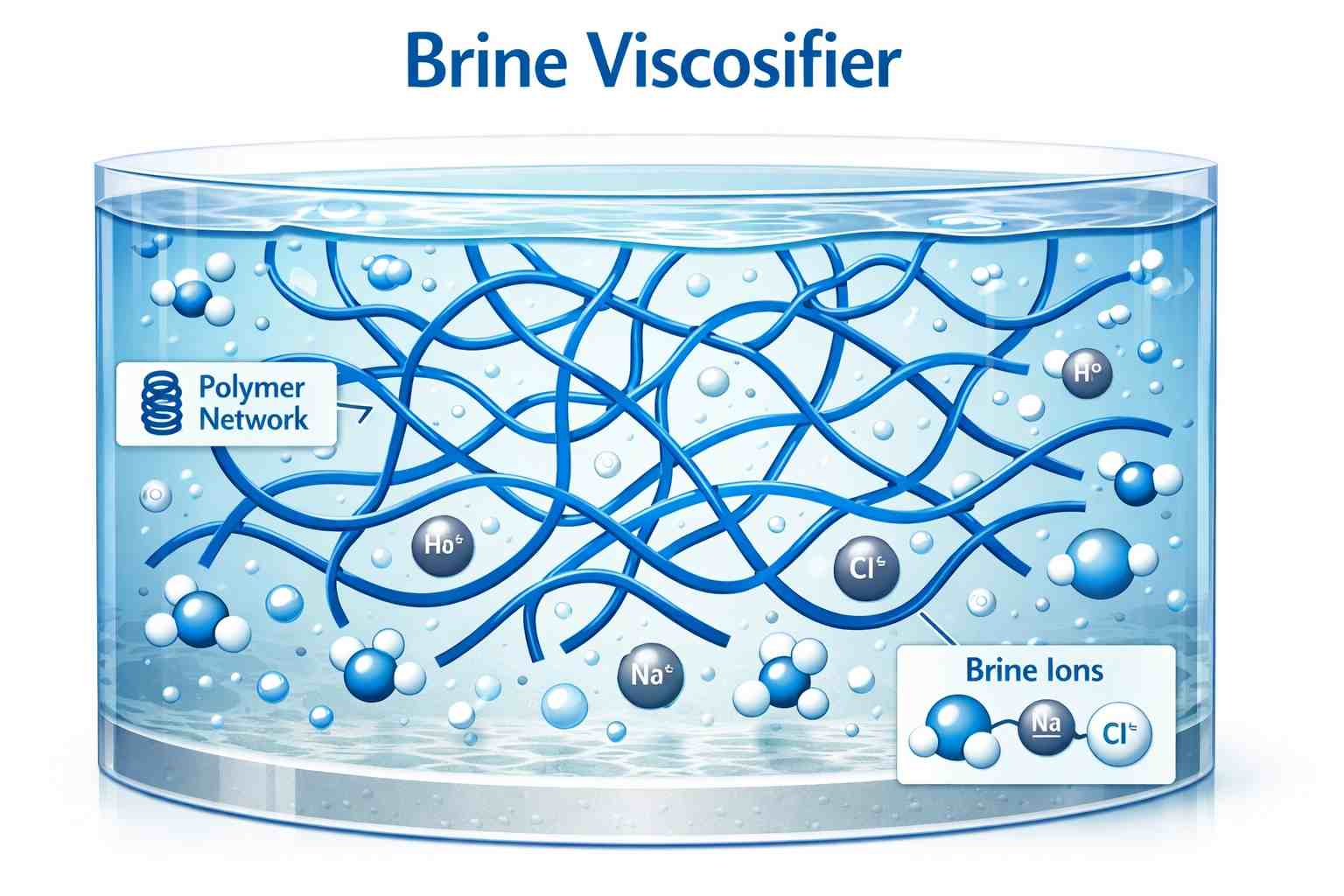
Helps build viscosity in brines. Supports stable circulation behavior.
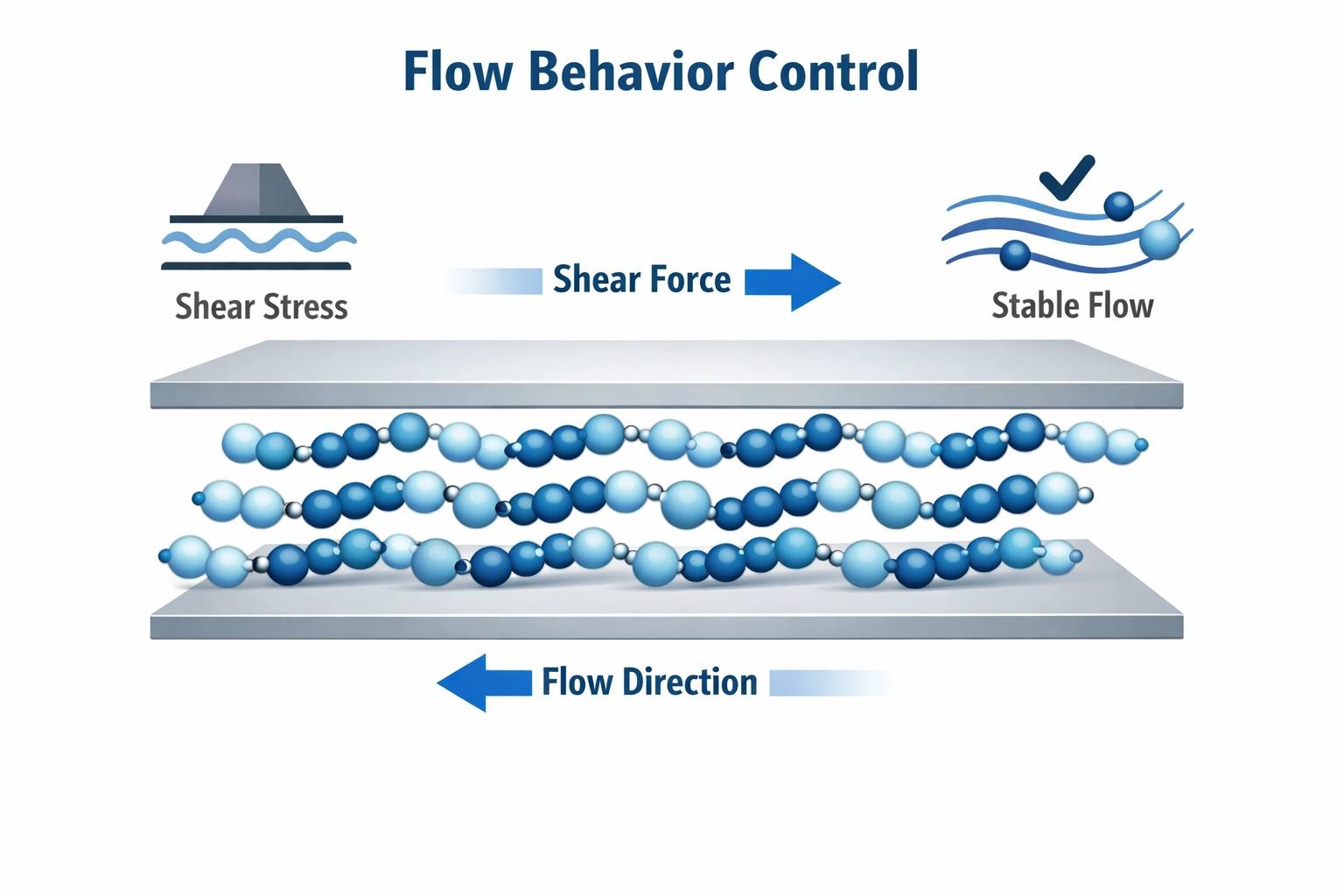
Promotes smooth flow under shear. Keeps pumping response predictable.
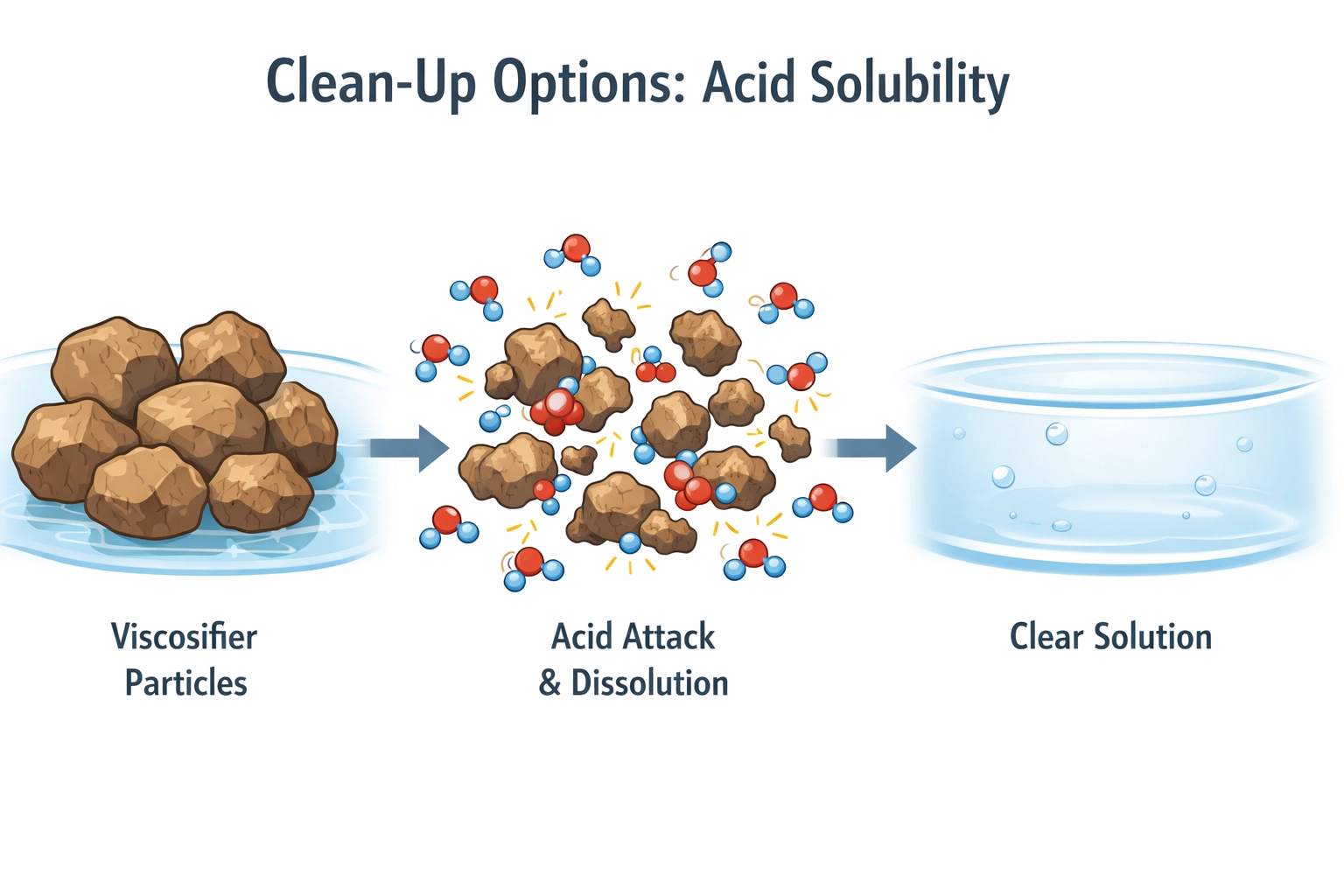
Acid solubility can help removal during clean-up in some systems. Confirm by test.
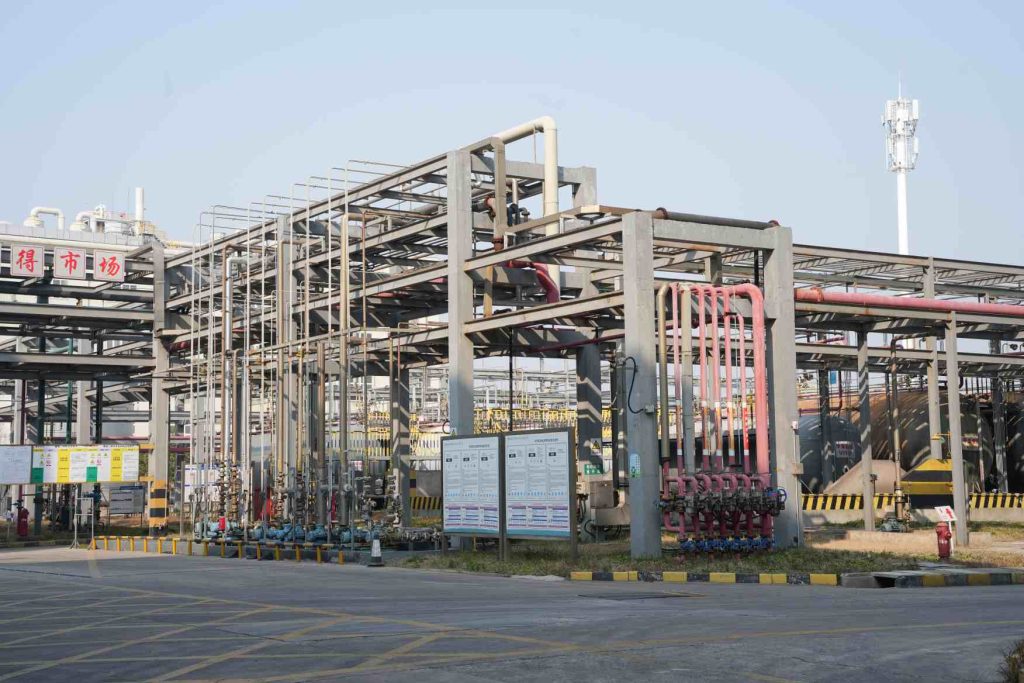
HEC is commonly used as a viscosifier in brine-based systems. Share your brine type for a better match.
HEC typically provides pseudoplastic flow with limited gel build. This helps pumping response.
HEC mainly affects fluid loss through rheology changes. If filtration control is critical, share your targets for a combined approach.
Use controlled powder addition and steady agitation. Allow enough hydration time before final viscosity adjustment.
Brine type, temperature, target viscosity, solids content, plus shear history.
TDS and SDS. COA is available per batch.
Ready to test HEC in your drilling fluid?