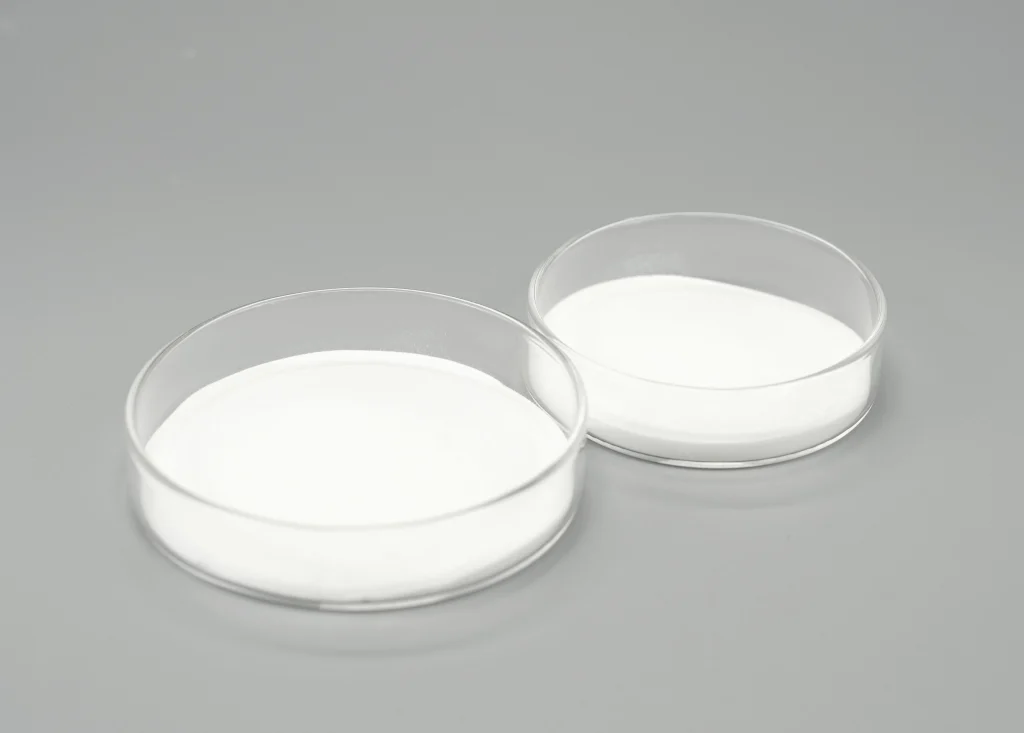
HEMC for Cement-based Tile Adhesive

Hydroxyethyl Methyl Cellulose (HEMC) is a cellulose ether used in cement-based tile adhesive systems.

It supports water retention, open time, workability, stable handling during application.
Share your formula type and targets. We will suggest a simple test plan.
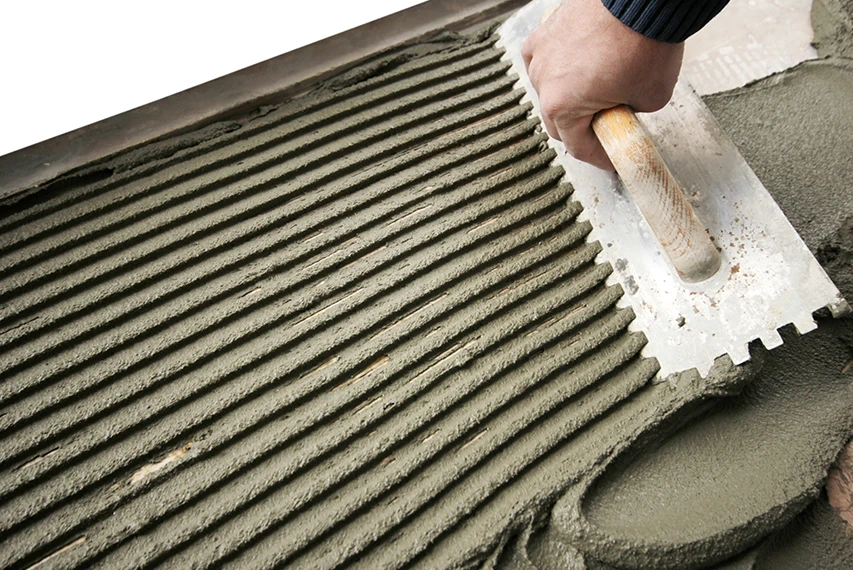
Notched trowel spreading cement-based tile adhesive with HEMC support

What HEMC Brings to Tile Adhesive

  • Water retention for stable cement hydration
  • Open time for easier tile placement
  • Workability for smoother troweling
  • Slip resistance for better hold on vertical surfaces

Product Overview

HEMC is widely used in cement-based tile adhesive to adjust rheology and improve fresh-state performance. It helps the mortar hold water, stay workable during spreading, and keep enough open time for tile fixing and adjustment. It can also support adhesion and shear strength under different storage or curing conditions. Results depend on cement type, sand grading, filler system, redispersible polymer level, temperature, plus mixing order. Some grades are designed for quick, lump-free dissolution. A short lab test usually confirms the best approach. Send your adhesive type, target performance, and process details. We will recommend evaluation options.
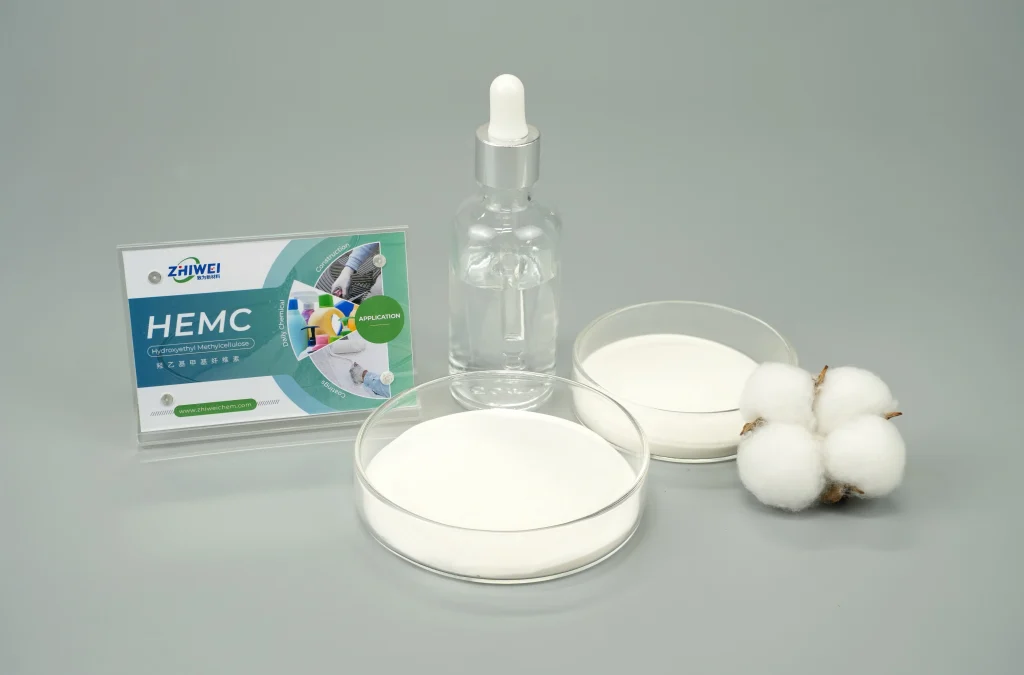
White HEMC powder in petri dishes next to a clear liquid solution bottle and raw cotton, showcasing Hydroxyethyl Methyl Cellulose applications in construction and coatings.

Where HEMC Fits

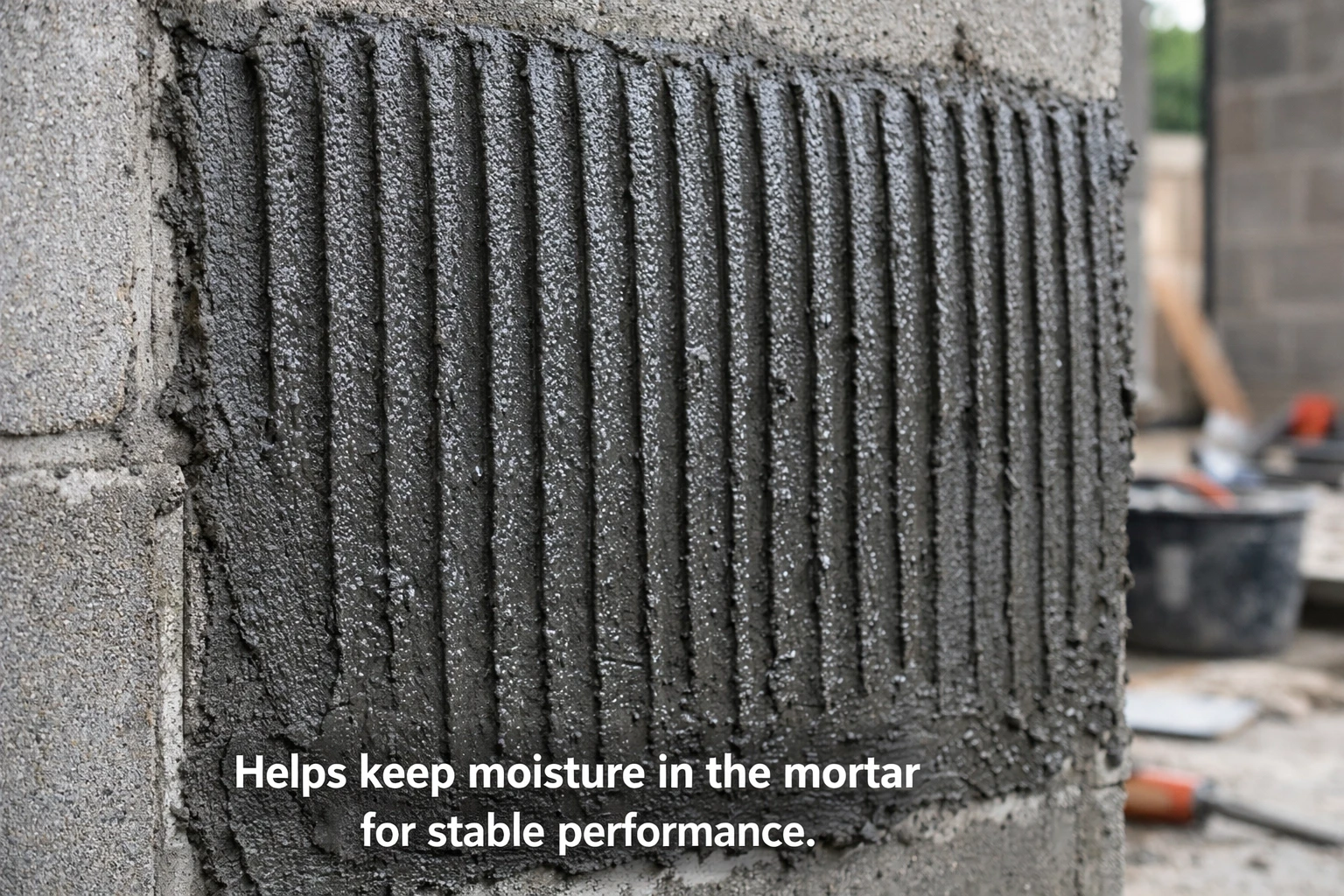
Ribbed cement-based tile adhesive showing HEMC moisture retention performance

Water Retention

Helps keep moisture in the mortar for stable performance.
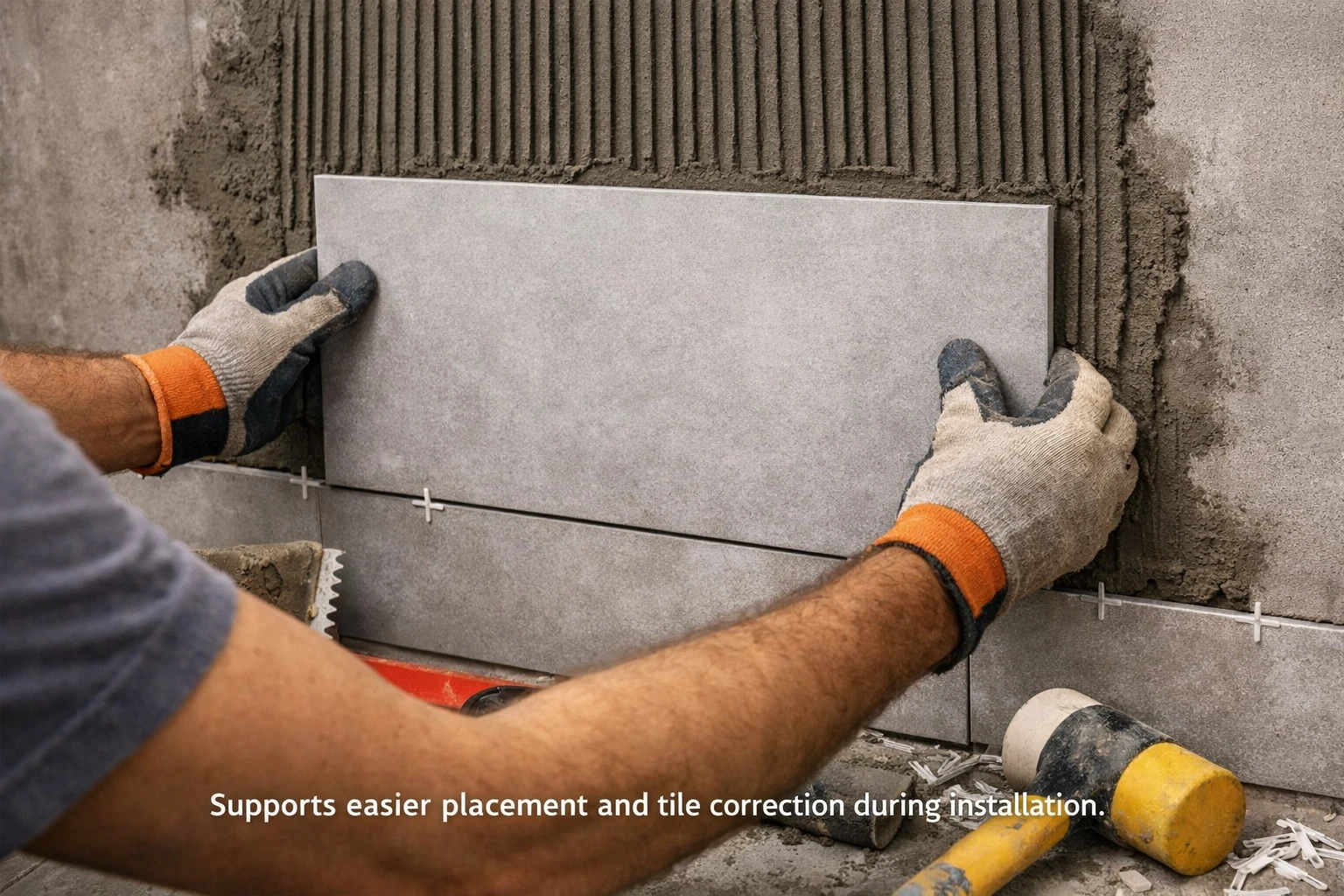
Worker placing tile on cement-based adhesive with HEMC support

Open Time and Adjustment

Supports easier placement and tile correction during installation.
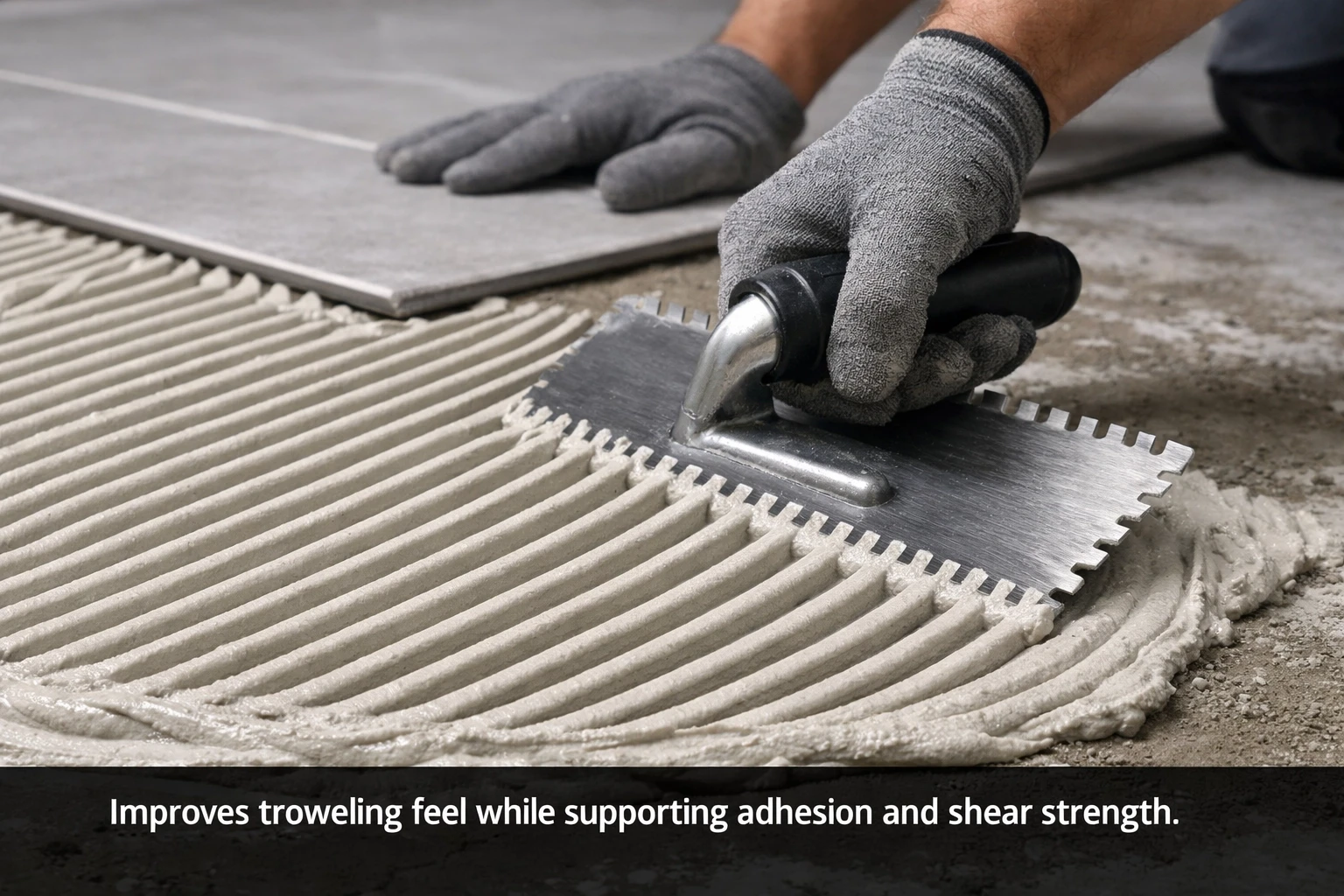
Gloved hand troweling cement-based tile adhesive with HEMC support

Workability and Strength

Improves troweling feel while supporting adhesion and shear strength.

Wide view of the Zhiwei factory and plant layout.

Mixing Tips

  1. Blend dry powders evenly before water addition.
  2. Add water under steady mixing.
  3. Allow enough wetting time for full hydration.
  4. Avoid over-adjusting water after the mix is ready.
  5. Check open time, slip, and adjustment time after rest.

Send These Details

  • Adhesive type: C1, C2, standard set, improved set
  • Cement type and filler system
  • Sand grading or aggregate type
  • Redispersible polymer used, if any
  • Target water retention and open time
  • Slip resistance target
  • Adjustment time target
  • Mixing method and process order
  • Main issue: poor troweling, short open time, tile slip, weak adhesion
Pure white HEMC powder (Hydroxyethyl Methyl Cellulose) displayed in a clear glass container.

Frequently Asked Questions

Yes. HEMC is widely used in cement-based tile adhesive systems.

Yes. Open time is one of the key performance points commonly linked with HEMC in tile adhesive.

Many tile adhesive systems use HEMC to support slip resistance on vertical surfaces.

Yes. HEMC is commonly used to improve spreading and troweling feel in cementitious adhesives.

Many tile adhesive grades are designed to support adhesion and shear strength together with water retention and open time.

TDS and SDS. COA is available by batch on request.

Ready to Test HEMC in Your Tile Adhesive?

Send your targets. Get a clear sample plan.