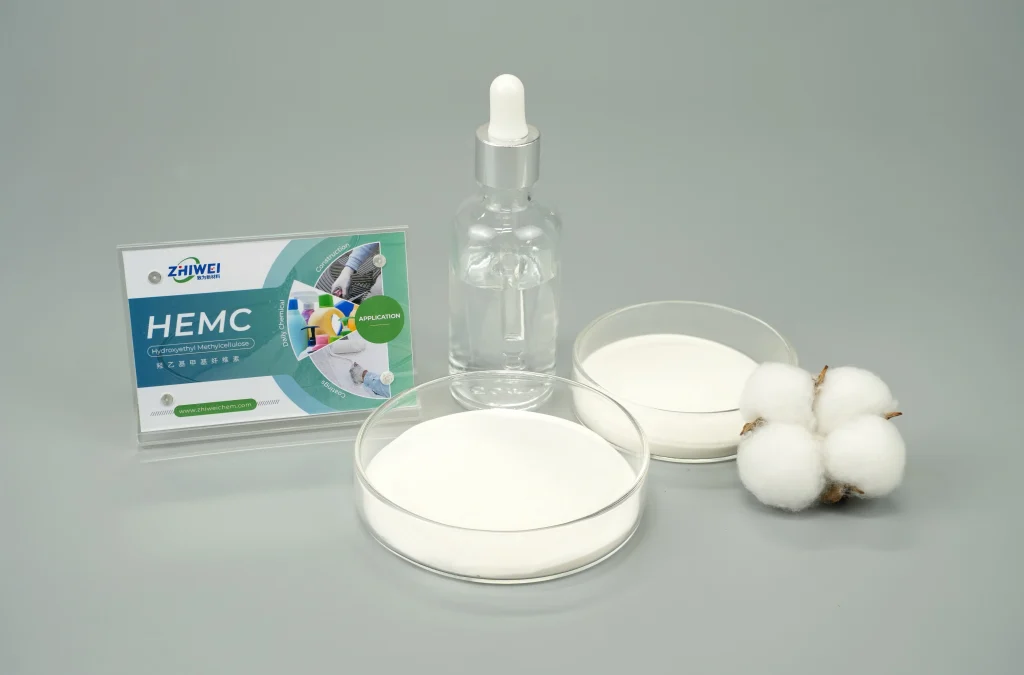
Hydroxyethyl Methyl Cellulose (HEMC) is a non-ionic cellulose ether used in water-based emulsion paint systems.
It supports viscosity control, sag resistance, smoother application, and better storage stability. Some grades can be designed for controlled dissolution to support easier dispersion.
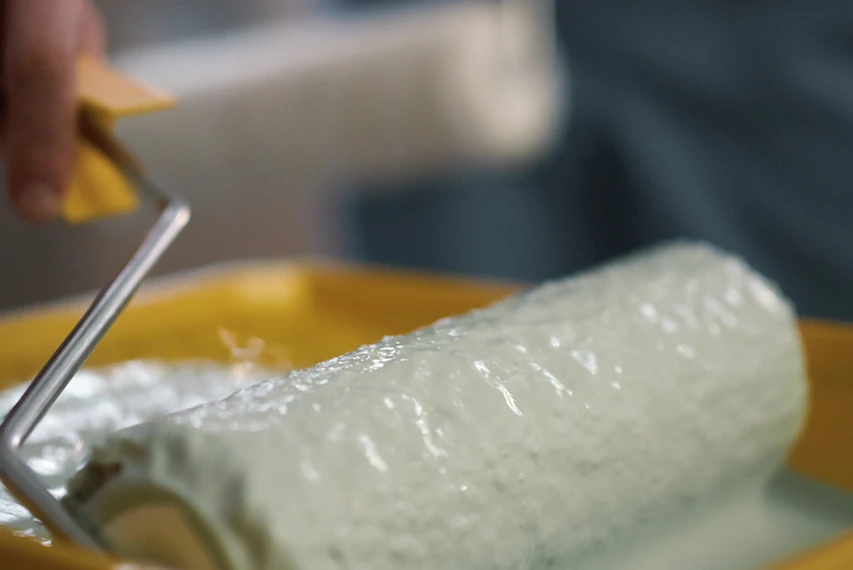
– Viscosity build for better in-can body
– Sag resistance on vertical surfaces
– Better pigment and extender suspension in many systems
– More consistent brush and roller feel during application
HEMC can be used in water-based emulsion paint to adjust viscosity and shape rheology during production, filling, storage, and application. It helps the paint keep enough in-can body while still allowing smoother transfer during brushing, rolling, or spreading. In many systems, it can support pigment and extender suspension, which helps reduce settling and improves storage stability. It can also support more uniform film formation and steadier application behavior. Some grades can be designed for controlled dissolution, which helps dispersion and can reduce fisheyes during incorporation. Results depend on binder type, pigment volume concentration, pH, temperature, and mixing method. A short bench test usually confirms the best approach.
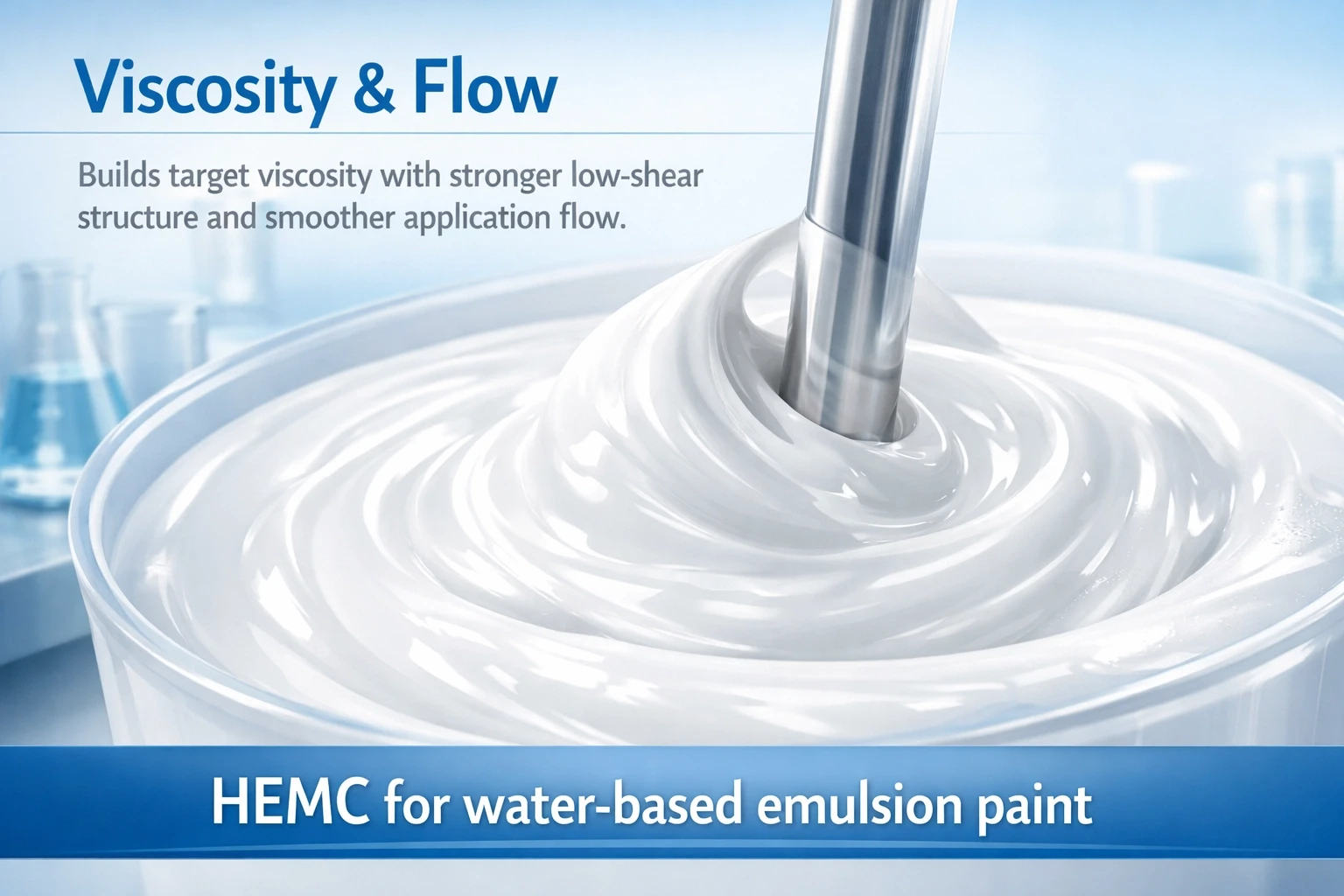
Builds target viscosity with stronger low-shear structure and smoother application flow.
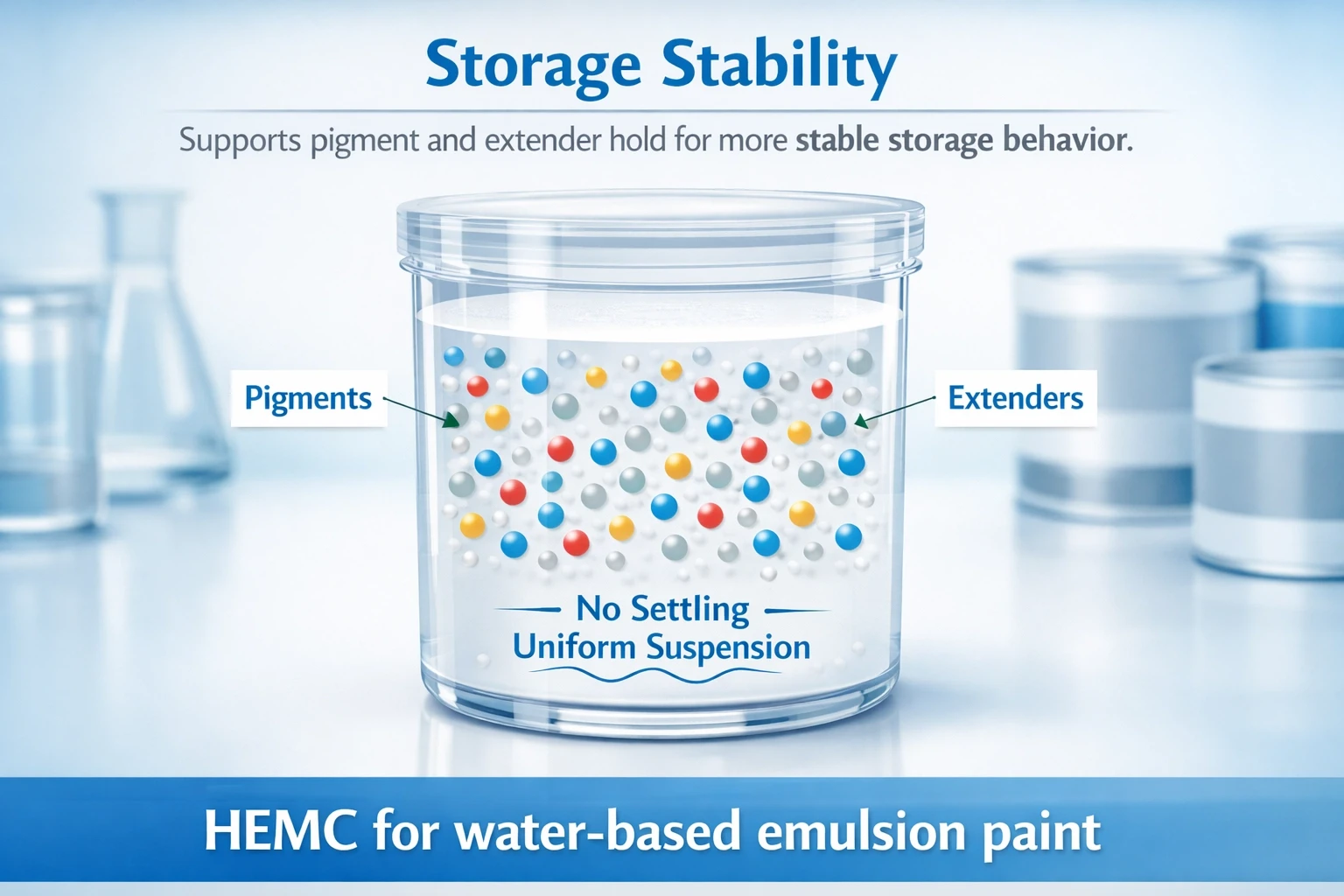
Supports pigment and extender hold for more stable storage behavior.
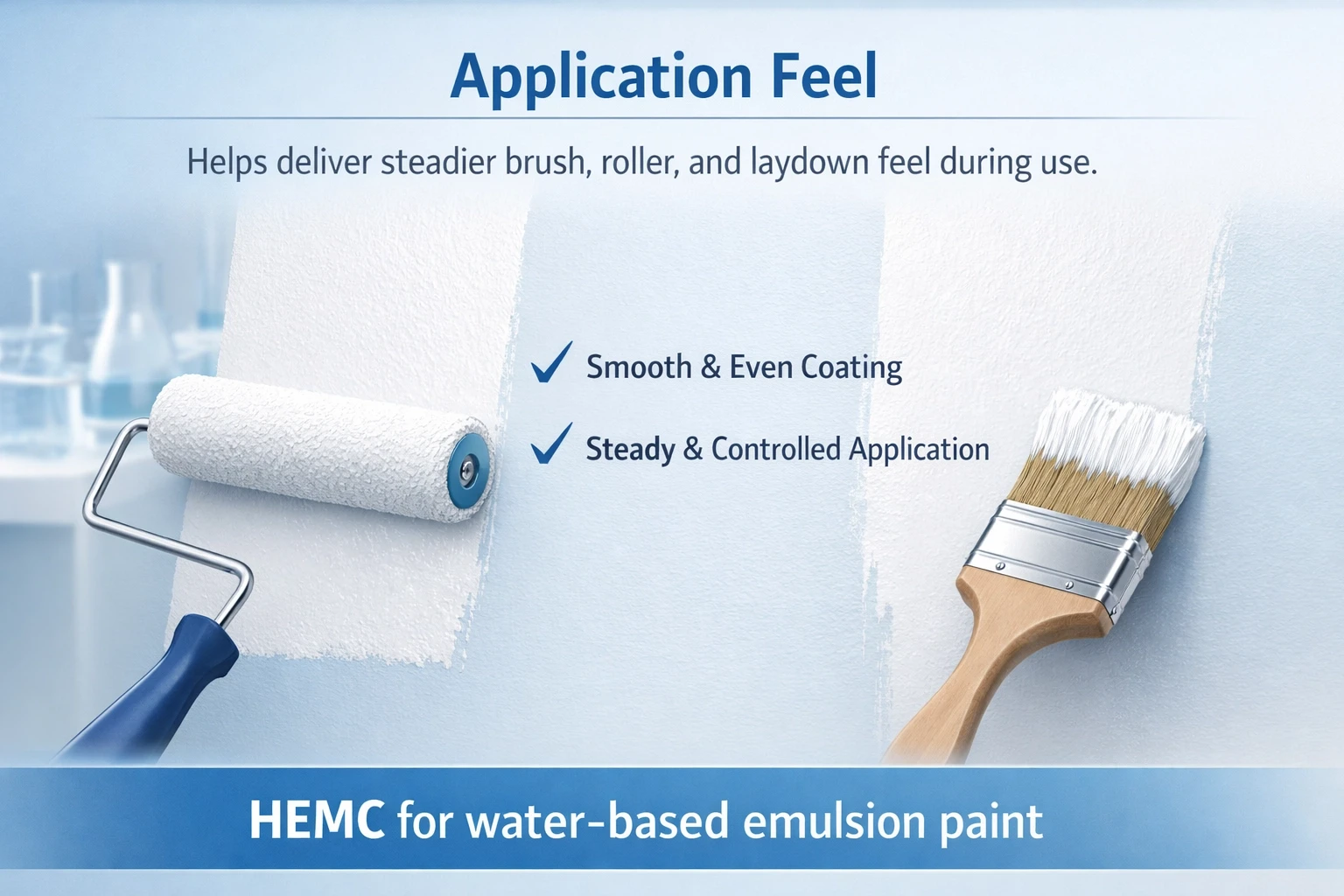
Helps deliver steadier brush, roller, and laydown feel during use.
1) Add powder slowly into moving water. Avoid dumping.
2) Maintain steady agitation during addition.
3) Use neutral or slightly acidic water when controlled dispersion is needed.
4) Allow enough hydration time before final viscosity adjustment.
5) Check viscosity after rest. Confirm repeatability.
– Paint type: interior emulsion, exterior emulsion, primer, topcoat
– Binder type and solids level
– Pigment and extender package
– Target viscosity range and temperature
– Application method: brush, roller, spray
– Sag resistance target
– Storage stability target
– Existing thickener package, if any
– Mixing equipment and process order
– Main issue: settling, low body, poor sag control, fisheyes, unstable storage, uneven laydown
Yes. HEMC can be used as a rheology modifier in many emulsion paint systems.
Yes. Many coating systems use cellulose ether to build in-can structure while keeping workable application viscosity.
In many systems, better low-shear structure supports reduced settling during storage.
Yes. More stable low-shear viscosity can help improve sag control on vertical surfaces.
Yes. Some grades can be designed for controlled dissolution, which can support easier dispersion and help reduce fisheyes.
TDS and SDS. COA is available by batch on request.
Send your targets. Get a clear sample plan.