
Introduction
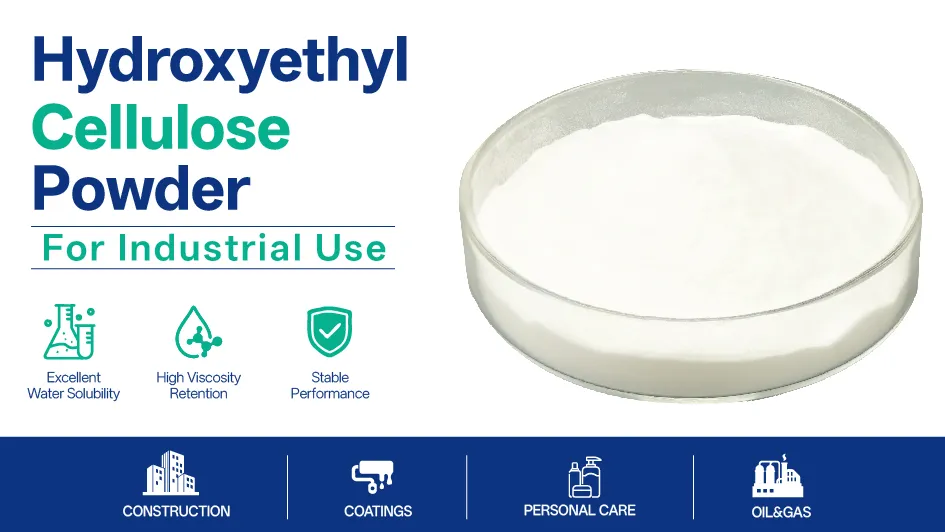
Finding the right hydroxyethyl cellulose suppliers is not only about getting a low price. It is about getting stable quality, correct viscosity, fast support, and safe delivery. For many buyers, hydroxyethyl cellulose is a small part of the full formula. But it can strongly affect the final product. If the HEC powder is not stable, the coating, mortar, cosmetic gel, detergent, or drilling fluid may not perform as expected.
Hydroxyethyl cellulose, often called HEC, is a non-ionic cellulose ether. It is widely used as a thickener, water retention agent, stabilizer, film-forming aid, and rheology modifier. It is used in paints and coatings, construction materials, cosmetics, personal care products, detergents, oilfield chemicals, adhesives, and many other water-based systems.
For purchasing teams, the main question is simple: how do you choose a reliable HEC supplier? This guide explains what to check before buying hydroxyethyl cellulose, how to compare suppliers, what technical data matters, and why working with an experienced supplier like Zhiwei can make the purchase process easier.
What Is Hydroxyethyl Cellulose?
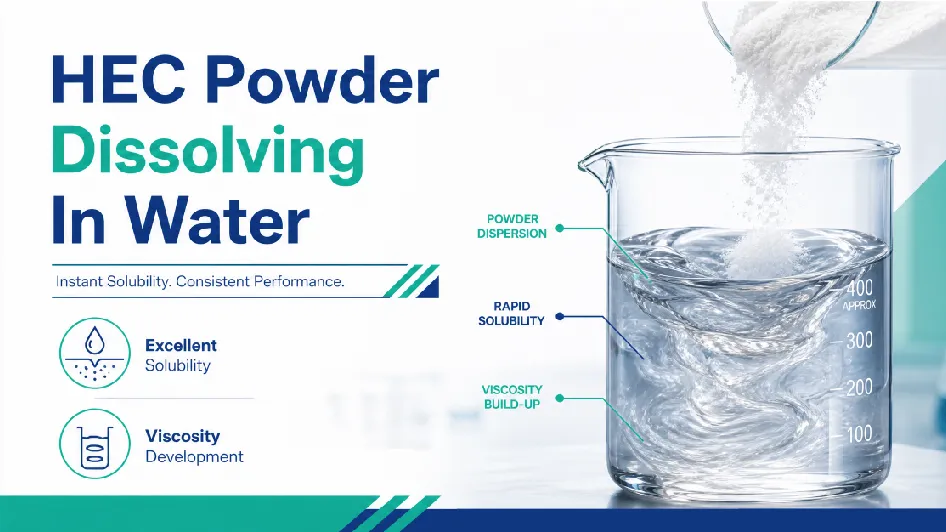
Hydroxyethyl cellulose is a water-soluble polymer made from cellulose. It is modified to give better solubility and thickening performance in water-based systems. In most applications, HEC is supplied as a white or off-white powder. After it is dispersed and dissolved in water, it forms a clear or slightly cloudy viscous solution.
HEC is valued because it is easy to use and works in many different formulas. It can improve viscosity, water retention, suspension stability, and product texture. It can also help reduce settling, improve brush feel, improve flow, and give a smoother final product.
One reason buyers search for hydroxyethyl cellulose suppliers is that HEC grades are not all the same. Different grades have different viscosity levels, particle sizes, surface treatment, purity, and application performance. A grade that works well in latex paint may not be the best choice for a cosmetic gel. A grade for construction mortar may not meet the needs of a detergent formula.
So, when choosing an HEC supplier, the first step is not asking only for price. The first step is making sure the supplier understands your application.
Common Applications Of Hydroxyethyl Cellulose
HEC is used in many industries because it gives stable thickening and good compatibility in water-based systems. Below are the most common application areas.
Hydroxyethyl Cellulose For Paints And Coatings
Paint and coating producers use HEC to adjust viscosity and improve workability. In water-based coatings, HEC can help improve storage stability, brushing performance, roller application, and anti-sag behavior.
A suitable HEC grade can help the paint stay uniform during storage. It can also improve the feeling during application. If the viscosity is too low, the paint may drip or sag. If the viscosity is too high, it may be hard to apply. This is why coating manufacturers need a supplier that can recommend the correct viscosity grade.
For this application, buyers should ask hydroxyethyl cellulose suppliers about viscosity range, dissolution speed, compatibility with latex systems, and batch stability.
Hydroxyethyl Cellulose For Construction Materials
In construction products, HEC is often used in cement-based or gypsum-based systems. It can support water retention, open time, workability, and adhesion. It may be used in putty powder, tile adhesive, plaster, mortar, and other dry-mix materials.
Construction formulas are sensitive to water retention and consistency. If the cellulose ether does not perform well, the product may dry too fast or become hard to apply. A stable HEC grade can help workers get better handling on site.
When buying HEC for construction, buyers should check water retention, viscosity, gel behavior, and compatibility with other additives. It is also important to test the grade in the real formula before bulk purchase.
Hydroxyethyl Cellulose For Cosmetics And Personal Care
HEC is also used in cosmetics and personal care products. It can be found in gels, lotions, shampoos, conditioners, creams, and cleansing products. It helps improve texture and gives a smooth feel.
For personal care use, buyers often care more about purity, appearance, odor, microbial control, and regulatory documents. The supplier should provide clear product data and support documents when needed.
If your product is used on skin or hair, do not choose only by price. Choose a supplier that can discuss grade selection, safety documents, and quality control.
Hydroxyethyl Cellulose For Detergents And Cleaning Products
In detergents and household cleaning products, HEC can improve viscosity and stability. It helps liquid products look better and feel more controlled during use.
A good HEC grade should dissolve well and remain stable in the formula. Because detergent formulas may contain surfactants, salts, fragrances, and other ingredients, compatibility testing is important.
For this market, buyers should ask the supplier for sample testing before placing a large order.
Hydroxyethyl Cellulose For Oilfield And Industrial Use
HEC can also be used in oilfield chemicals and other industrial systems. It may help control fluid viscosity and improve suspension. These applications often require strong performance under specific field conditions.
For industrial buyers, stable supply and technical support are very important. If the product is used in a high-cost operation, poor quality can lead to serious losses. A professional supplier should be able to provide technical data, sample support, and consistent batch quality.
Why Choosing The Right Hydroxyethyl Cellulose Supplier Matters
There are many hydroxyethyl cellulose suppliers in the market, but not every supplier can support long-term industrial use. Some suppliers can offer a low price, but they may not provide stable viscosity, reliable packaging, or fast technical communication.
A reliable supplier helps you reduce risk in several ways.
First, the supplier helps you choose the right grade. HEC is not a single product. It has many grades, and each grade is designed for different viscosity needs and applications.
Second, the supplier helps keep your formula stable. If the viscosity changes too much from batch to batch, your final product may also change. This can create complaints from customers.
Third, the supplier helps you save time. A good supplier can provide samples, product data, shipping information, and technical suggestions quickly.
Fourth, the supplier can support long-term purchasing. If your production plan depends on HEC, you need steady supply and clear communication.
How To Compare Hydroxyethyl Cellulose Suppliers
When you compare hydroxyethyl cellulose suppliers, you should look at more than the unit price. A lower price may look attractive at first, but it can be expensive if the product causes production problems.
Here are the main points to check.
Product Grade And Viscosity Range
Viscosity is one of the most important technical points for HEC. Different applications need different viscosity levels. A high-viscosity grade may be useful in some construction or coating systems. A lower-viscosity grade may be better for other formulas.
Ask the supplier for the viscosity range, test method, and recommended use. If possible, test the sample in your own formula before ordering in bulk.
Dissolution Performance
Good HEC should disperse and dissolve properly. Poor dissolution can cause lumps, fish eyes, uneven thickening, or production delays.
Some HEC grades are surface-treated to improve dispersion. This can be useful when the powder is added directly into water. Ask the supplier how the product should be added and mixed.
Batch Stability
Batch stability is very important for factories. If every batch performs differently, your production team must adjust the formula again and again.
A reliable supplier should control quality before shipment. Ask for a certificate of analysis, technical data sheet, and sample from the same or similar production grade.
Application Support
A strong supplier does not only sell powder. It also helps solve problems. If your formula becomes too thick, too thin, unstable, or hard to mix, the supplier should be able to give practical suggestions.
This is especially important for coatings, construction materials, and personal care formulas.
Packaging And Storage
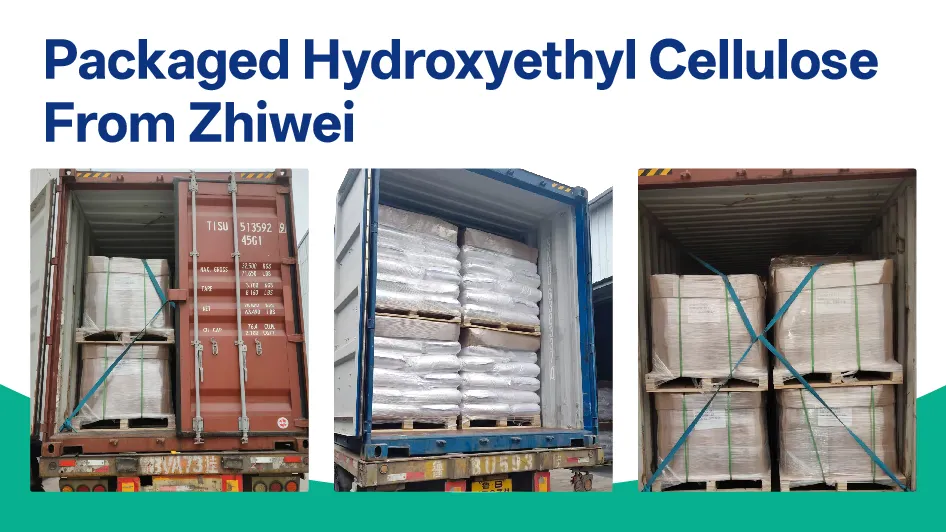
HEC powder should be packed well to avoid moisture. Poor packaging can cause caking, lower performance, and handling problems.
Ask about standard package size, moisture protection, pallet method, shelf life, and storage advice. Most HEC products should be stored in a dry, cool, and clean place.
Export Experience
If you buy from an overseas supplier, export experience matters. The supplier should understand documents, shipping terms, lead time, and customs requirements.
For international buyers, clear communication can reduce delays and mistakes. Before placing a bulk order, confirm product name, grade, quantity, packaging, port, delivery time, and required documents.
Key Documents To Ask From HEC Suppliers
Before choosing a supplier, ask for basic documents. These documents help your technical, purchasing, and quality teams check the product.
Common documents include:
- Technical Data Sheet
- Safety Data Sheet
- Certificate of Analysis
- Product specification
- Sample label
- Packing information
- Recommended storage conditions
For some industries, you may also need extra regulatory documents. This depends on your market and final product use.
Suggested Specification Table For Hydroxyethyl Cellulose
| Item | What To Check | Why It Matters |
|---|---|---|
| Appearance | White or off-white powder | Shows basic product condition |
| Viscosity | Match your formula needs | Controls thickness and performance |
| Moisture | Within supplier specification | Affects storage and powder flow |
| Particle Size | Suitable for your process | Affects dispersion and dissolution |
| pH | Suitable for your system | Helps formula stability |
| Purity | Based on application need | Important for personal care and high-end use |
| Packaging | Moisture-resistant bags | Protects product during storage and transport |
This table can help buyers compare different hydroxyethyl cellulose suppliers in a simple way. But final selection should always be based on real sample testing.
How To Test Hydroxyethyl Cellulose Before Bulk Purchase
Sample testing is the safest way to choose the right grade. Even if the data sheet looks good, the product must work in your real formula.
Start by asking for samples from two or three grades. Then test them under the same conditions. Use the same water temperature, mixing speed, mixing time, and formula. Record the dissolution time, final viscosity, appearance, stability, and product feel.
For coatings, test storage stability, brush feel, roller application, sag resistance, and film appearance.
For construction products, test water retention, workability, open time, adhesion, and final strength.
For cosmetics, test clarity, texture, skin feel, odor, and compatibility with other ingredients.
For detergents, test viscosity stability, salt tolerance, surfactant compatibility, and appearance after storage.
After testing, choose the grade that gives the best balance between performance, cost, and production stability.
Common Mistakes When Buying Hydroxyethyl Cellulose
Many buyers make the same mistakes when choosing HEC suppliers. Avoiding these mistakes can save time and cost.
The first mistake is choosing only by price. HEC affects the final product, so poor quality may create bigger losses than the money saved.
The second mistake is not testing samples. A product may look good on paper but fail in your formula.
The third mistake is ignoring viscosity method. Different suppliers may use different test conditions. Always compare viscosity under the same method when possible.
The fourth mistake is buying the wrong grade. HEC for coatings, construction, cosmetics, and detergents may have different needs.
The fifth mistake is not checking packaging. Moisture can damage powder performance, especially during long shipping or storage.
The sixth mistake is not confirming lead time. If the supplier cannot deliver on time, your production plan may be affected.
Why Choose Zhiwei As Your Hydroxyethyl Cellulose Supplier?
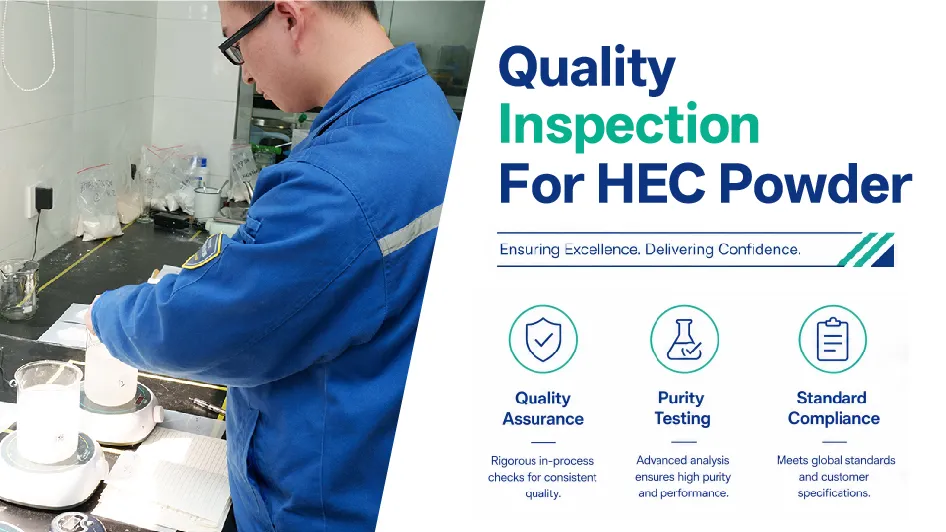
Zhiwei is the brand of Zhiwei (Jinan) New Materials Co., Ltd. We support customers who need cellulose ether products for industrial and commercial applications. For buyers looking for hydroxyethyl cellulose suppliers, Zhiwei focuses on stable quality, clear communication, and practical product support.
We understand that customers do not only need a material. They need a material that works in their formula. That is why grade selection and sample testing are important parts of the purchase process.
Zhiwei can help customers discuss application needs, compare suitable grades, and prepare product information for purchasing and technical teams. Whether you are developing a new formula or looking for a more stable HEC supply, our team can support your evaluation process.
For coatings, construction materials, detergents, and other water-based systems, Zhiwei can help you review the key product requirements before bulk order. This can reduce risk and make the buying process more efficient.
What Information Should You Send To A Supplier?
To get a faster and more accurate recommendation, send clear information to your HEC supplier. This helps the supplier avoid guessing.
You can share the following details:
- Your application, such as paint, mortar, cosmetic gel, detergent, or oilfield fluid
- Target viscosity
- Current formula type
- Required grade or reference sample
- Monthly or yearly demand
- Destination country
- Packaging requirement
- Required documents
- Expected delivery time
If you already use an HEC product, you can also share the current grade name or technical data. This makes it easier to find a matching or improved option.
Hydroxyethyl Cellulose Supplier FAQ
What Is Hydroxyethyl Cellulose Used For?
Hydroxyethyl cellulose is used as a thickener, stabilizer, water retention agent, and rheology modifier. It is common in paints, coatings, construction materials, cosmetics, detergents, adhesives, and industrial fluids.
How Do I Choose The Right HEC Grade?
Choose the grade based on your application, target viscosity, dissolution method, compatibility, and final product performance. The best way is to test samples in your own formula before bulk purchase.
Is Hydroxyethyl Cellulose Soluble In Water?
Yes. Hydroxyethyl cellulose is water-soluble and forms a viscous solution after proper dispersion and mixing. The exact dissolution behavior depends on the grade and mixing method.
What Should I Ask Hydroxyethyl Cellulose Suppliers Before Buying?
Ask for the technical data sheet, safety data sheet, certificate of analysis, viscosity range, recommended application, packaging details, sample availability, lead time, and export documents.
Can One HEC Grade Be Used In All Applications?
Usually no. Different formulas need different HEC grades. A grade used in paint may not be the best grade for cosmetics or construction. Application testing is important.
Why Is Viscosity Important For HEC?
Viscosity affects thickness, flow, stability, and application feel. If the viscosity is not correct, the final product may be too thin, too thick, unstable, or hard to use.
Final Thoughts
Choosing the right hydroxyethyl cellulose suppliers is an important step for any company that uses HEC in production. A good supplier should offer more than a low price. It should provide stable quality, useful technical information, reliable packaging, sample support, and clear communication.
Before placing a bulk order, compare grades, check documents, and test samples in your real formula. This is the best way to reduce risk and find a product that works for your market.
If you are looking for a dependable HEC supplier, Zhiwei can help you review your application needs and choose a suitable hydroxyethyl cellulose grade. Contact Zhiwei (Jinan) New Materials Co., Ltd. to request product information, samples, and a quotation for your next project.