
Introduction
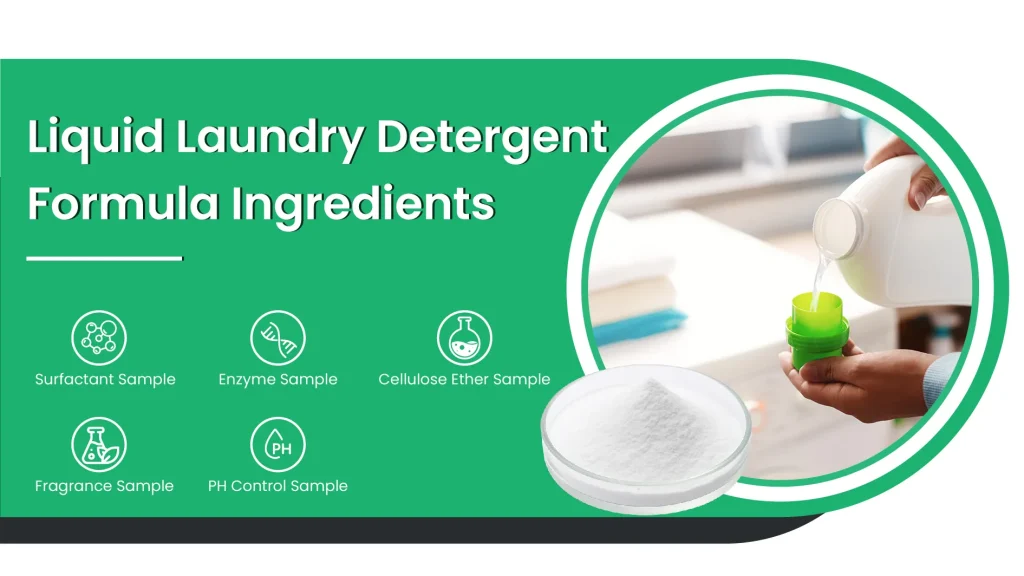
Liquid laundry detergent looks simple, but its formula is a careful system. A good product must remove stains, protect fabric, rinse well, smell good, stay stable in storage, and pour smoothly from the bottle. If one part of the formula is not balanced, the product may become too thin, too thick, cloudy, irritating, unstable, or weak in cleaning.
The main liquid laundry detergent ingredients include surfactants, water, enzymes, anti-redeposition agents, pH control agents, fragrance, preservatives, colorants, and thickeners. Some formulas also include fabric care agents, antibacterial agents, optical brighteners, anti-foam agents, or eco-friendly surfactants.
For manufacturers, viscosity and stability are also important. A detergent must not only clean well. It must also look good on the shelf and feel good when the user pours it. This is where cellulose ether products such as Zhiwei HEC 300, Zhiwei HEMC 400, and Zhiwei HEMC 4K can be tested. They help adjust body, pour control, suspension, and storage texture in water-based detergent systems.
Surfactants Are The Cleaning Core
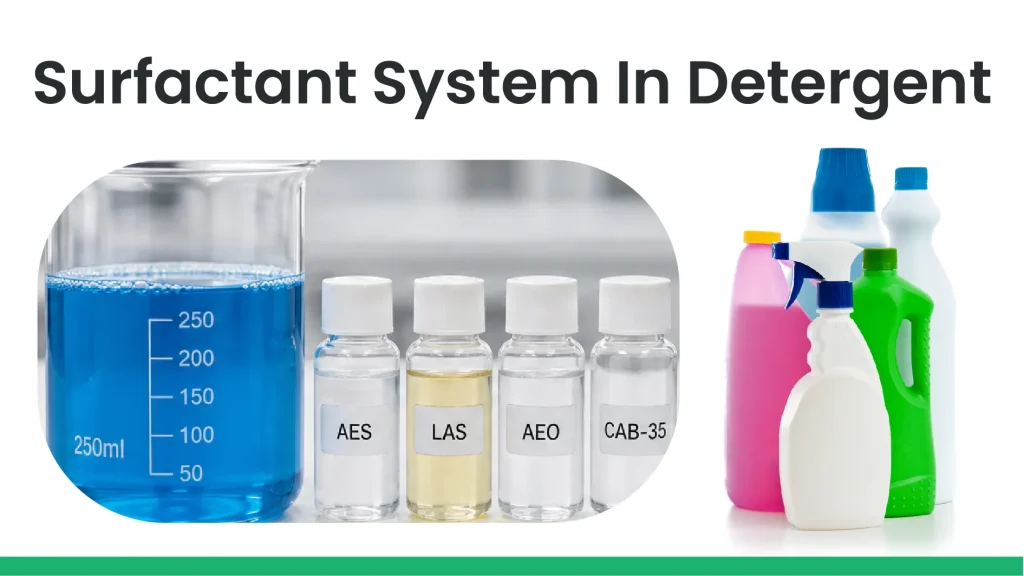
Surfactants are the main cleaning ingredients in laundry detergent. They have one part that likes water and one part that likes oil. This structure helps them loosen oil, sweat, dust, and other dirt from fabric. It also helps the dirt move into the wash water.
Most liquid laundry detergents use more than one surfactant. A single surfactant is rarely enough. A good formula often combines anionic, nonionic, and amphoteric surfactants. This makes the cleaning power stronger and the product milder.
Anionic Surfactants
Anionic surfactants are common base ingredients in laundry detergent. Typical examples include LAS and AES. They give strong general cleaning power and good foam.
AES is widely used because it gives strong detergency and better mildness than some harsher raw materials. In many liquid detergent formulas, AES may be used around 15-25%, depending on active content, total surfactant system, target viscosity, and cost.
If the dosage is too high, the formula may become too thick or harder to balance. If the dosage is too low, the cleaning power may not be enough.
Nonionic Surfactants
Nonionic surfactants are useful for oil stains. AEO-type surfactants are common examples. They usually give lower foam than anionic surfactants, but they can improve oil removal.
This is useful for collars, cuffs, kitchen oil, body oil, and synthetic fabrics. Nonionic surfactants also help balance the full surfactant system. They can improve cleaning in lower-foam formulas and in machine-wash products.
Amphoteric Surfactants
Amphoteric surfactants, such as CAB-35, are often used in higher-end detergent formulas. They help reduce irritation and improve formula balance. They can also support better performance in hard water or in systems with calcium and magnesium ions.
In many premium liquid detergent formulas, CAB-35 may be used around 3-8%. The final level should depend on cost, mildness, foam, salt response, and target pH.
Functional Additives Beyond Cleaning
Modern laundry detergent is not only about removing dirt. Buyers now expect fabric care, odor control, color protection, easy rinsing, mildness, and better environmental performance. These needs come from functional additives.
Enzymes
Enzymes are important in mid-range and high-end laundry detergents. Protease helps remove protein stains such as blood, milk, sweat, and food. Lipase helps remove oil and fat stains. Some formulas may also use amylase or cellulase.
A protease and lipase system can improve stain removal in a clear way. In many formulas, enzyme dosage may be around 0.5-1.5%, depending on enzyme type and activity. Enzymes must be protected from extreme pH, high temperature, and incompatible raw materials.
Anti-Redeposition Agents
Anti-redeposition agents help stop loosened dirt from attaching back to fabric. CMC, or sodium carboxymethyl cellulose, is a common example. It works well in cotton washing systems because it helps keep soil in the wash water.
A typical CMC dosage may be around 0.1-0.3%. The exact amount depends on the formula and fabric target. This ingredient is small in percentage, but it can improve white fabric appearance after repeated washing.
pH Control Agents
pH has a strong effect on cleaning, mildness, enzyme activity, and storage stability. Many laundry detergents stay in the pH 7-9 range. Some “neutral” or gentle products may stay around pH 6-8.
A higher pH can help cleaning, but it may be less friendly to sensitive skin or delicate fabrics. A lower pH can feel milder, but cleaning power may drop if the surfactant system is not adjusted. For silk or wool care, the pH should be more controlled and gentle.
Fragrance, Preservatives, And Colorants
Fragrance gives the product its market identity. It also affects user experience. But fragrance can change clarity, viscosity, and stability. This is why fragrance should be tested in the final formula, not added only at the end without checking.
Preservatives protect the product during storage. Sensitive-skin products should avoid harsh preservative systems when possible. Some buyers also pay attention to MIT and MCIT, especially in mild or family-care products.
Colorants are used at very low levels. They should not stain fabric or change during storage.
Thickeners And Texture Control
A detergent with strong cleaning power can still fail if the texture is wrong. If the product is too thin, buyers may think it is weak. If it is too thick, it may pour poorly and leave residue in the cap. If viscosity changes during storage, the formula may not feel reliable.
Common viscosity control methods include salt thickening, surfactant balance, polymeric thickeners, and cellulose ethers.
Salt is cheap and useful in some systems. But too much salt can reduce clarity, hurt stability, or make the formula feel low-end. A better formula often uses a more balanced thickening system.
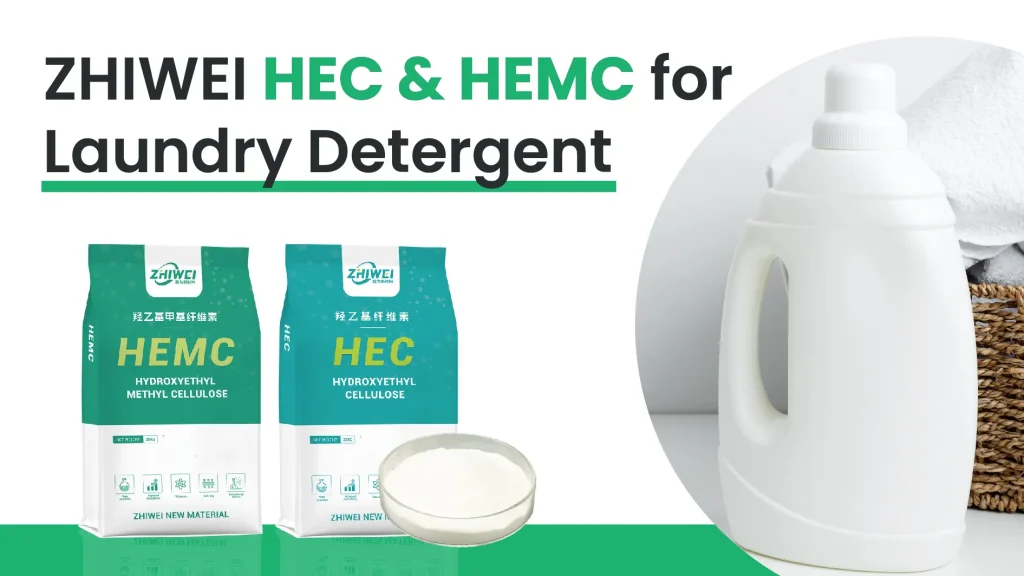
HEC and HEMC are useful non-ionic thickeners for liquid detergent systems. They can help build body, improve pour control, support texture stability, and reduce visible separation in many formulas. Their performance depends on surfactant type, salt level, pH, fragrance, solvent package, temperature, and mixing method.
Where Zhiwei HEC And HEMC Fit
Zhiwei (Jinan) New Materials Co., Ltd. supplies cellulose ether products for water-based systems, including daily chemical products. For laundry and dish detergents, Zhiwei HEC can be tested to build viscosity, improve pour control, and support stable texture. Zhiwei also provides HEMC options for liquid laundry systems where stronger body or suspension support is needed.
Zhiwei HEC 300 is a low-viscosity hydroxyethyl cellulose grade. It is useful when a formula needs light body, clean flow, and stable appearance without becoming too heavy. It can be a practical starting point for light-body laundry detergent, dish detergent, or household cleaner formulas.
Zhiwei HEMC 400 is a low-viscosity hydroxyethyl methyl cellulose grade. It can be tested in selected water-based systems that need moderate thickening and easier processing.
Zhiwei HEMC 4K gives a higher viscosity direction than HEMC 400. It can be tested when the detergent needs more body, better pour feel, or stronger texture support.
For a transparent detergent, clarity testing is important. For a laundry gel, suspension and vertical flow may matter more. For a refill product, fast filling and clean pouring may be the main goal.
Ingredient Strategy By Product Level
Different price levels use different formula strategies.
Economy detergent often uses a simpler AES and LAS surfactant system. It may meet basic cleaning needs, but it may use fewer enzymes, fewer fabric care agents, and more salt for viscosity control.
Mid-range detergent usually uses a more balanced system. It may include anionic and nonionic surfactants, enzymes, anti-redeposition agents, fragrance, and softening or care ingredients. This type of product usually gives better cleaning and better user experience.
High-end detergent focuses on stronger technology. It may use a higher active matter level, enzyme blends, lower-irritation surfactants, biodegradable ingredients, fabric care systems, antibacterial agents, and concentrated formats. It may also use better texture control so the product feels rich but still pours well.
How To Build A Better Detergent Formula
Start with the target user. A family detergent, baby detergent, sportswear detergent, wool detergent, and concentrated detergent should not use the same formula.
Then choose the surfactant system. Use anionic surfactants for general cleaning. Add nonionic surfactants for oil stains. Use amphoteric surfactants when mildness and formula balance matter.
Next, adjust the functional additives. Add enzymes if stain removal is the main claim. Add CMC if white fabric maintenance matters. Add softening or care agents if the product is positioned as fabric care. Add antibacterial ingredients only when the market and regulations support the claim.
Then adjust pH. Keep the pH suitable for surfactants, enzymes, preservatives, and fabric type.
Finally, build the right viscosity. Do not rely only on salt. Test HEC or HEMC when the formula needs better body, stable storage texture, or cleaner dosing. Add cellulose ether slowly into moving water or a suitable pre-dispersion system. Avoid dumping the powder, because this may create fisheyes. Check viscosity after full hydration and after storage.
Testing Checklist
Test cleaning power on common stains such as oil, sweat, food, milk, and mud.
Test viscosity at different temperatures. A product may look good at room temperature but become too thin or too thick in cold or hot storage.
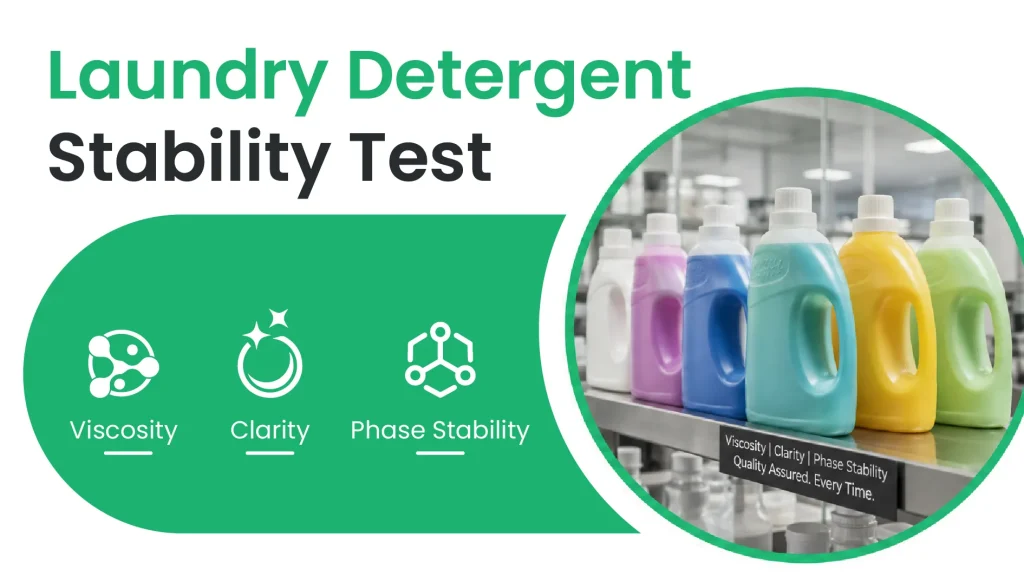
Test clarity and phase stability. Check whether fragrance, salt, colorant, or thickener causes cloudiness or separation.
Test foam level. Machine-wash products should usually control foam better than hand-wash products.
Test fabric safety. Delicate fabrics need more careful pH and surfactant selection.
Test packaging behavior. The detergent should pour cleanly from the bottle and should not leave too much residue in the cap.
Conclusion
Liquid laundry detergent is a complete formula system. Surfactants give cleaning power. Enzymes improve stain removal. CMC helps stop dirt from returning to fabric. pH control protects formula performance. Fragrance and preservatives support user experience and shelf life. Thickeners control body, pour feel, and storage stability.
For manufacturers who want better texture and more repeatable performance, Zhiwei cellulose ethers can be tested in the formula. Zhiwei HEC 300 is useful for light-body detergent systems. Zhiwei HEMC 400 and Zhiwei HEMC 4K can be tested when the product needs more structure, smoother pour, and stronger stability support.
Contact Zhiwei (Jinan) New Materials Co., Ltd. to request HEC or HEMC samples, technical information, and a simple test plan for your liquid laundry detergent formula.