
At Zhiwei, the most direct answer is this: another name for hydroxypropyl methylcellulose is hypromellose. In industrial and construction markets, people often use the abbreviation HPMC. In food regulation in Europe, it is also known as E464. In pharmacopeia language, another formal name is cellulose hydroxypropyl methyl ether. These names do not usually describe different materials. They describe the same cellulose ether in different industries and regulatory systems.
For us, this naming question matters because many buyers meet the material under different labels. A construction customer may ask for HPMC. A pharmaceutical buyer may ask for hypromellose. A food ingredient buyer in Europe may recognize E464 first. If the names are not explained clearly, the same product can look like several different materials. That is why we prefer to answer this question in a simple way: the most common alternative name is hypromellose, while HPMC is the most common short name used in industrial trade.
The Most Common Other Name Is Hypromellose
In official pharmacopeia language, hydroxypropyl methylcellulose is widely called hypromellose. The USP monograph uses “Hypromellose” as the main name and defines it as a methyl and hydroxypropyl mixed ether of cellulose. The same USP text also includes Cellulose hydroxypropyl methyl ether as a formal chemical name. This is one of the strongest sources for the naming question because USP language is widely used in pharmaceutical and excipient standards.
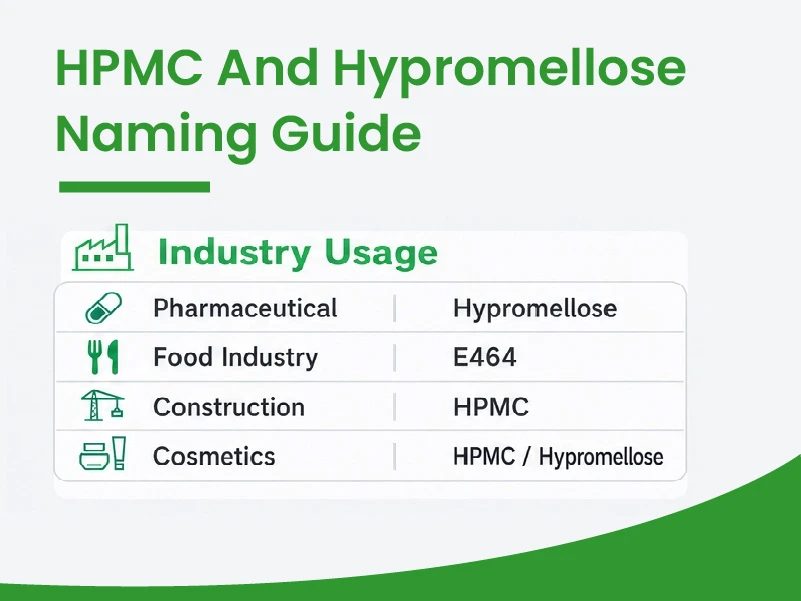
This is why pharmaceutical discussions often sound different from construction discussions even when they refer to the same material. In pharma, “hypromellose” is usually the normal term. In construction and industrial markets, “HPMC” is usually the normal term. The chemistry does not change. The naming convention changes with the market. That is an important distinction for buyers who move between different supply chains or read documents from more than one industry.
HPMC Is The Most Common Industrial Short Name
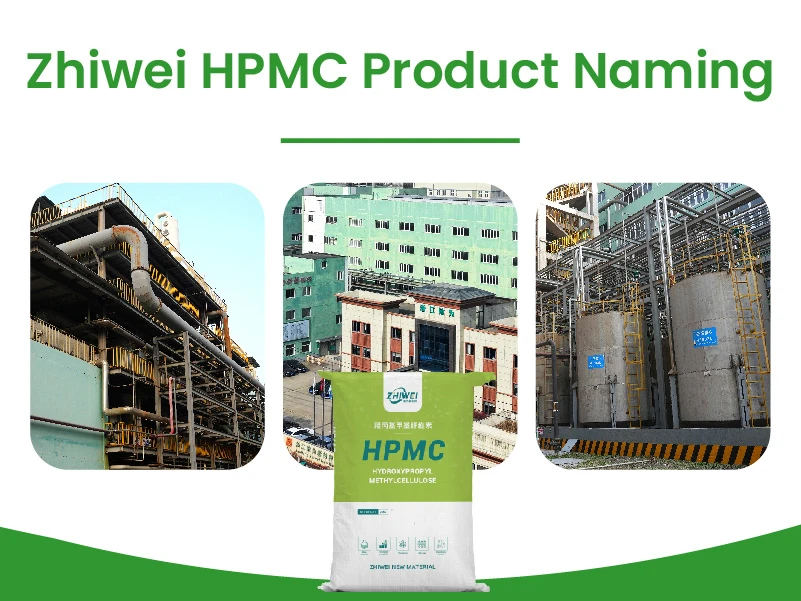
In our own business at Zhiwei, we most often use the industrial short name HPMC. Our official product page is titled Hydroxypropyl Methyl Cellulose Ether, and it lists the product item as HPMC. In this context, HPMC is not a different product from hydroxypropyl methylcellulose. It is simply the standard abbreviation used in the cellulose ether market, especially in construction and dry-mix material discussions.
This industrial naming pattern is very common because the full chemical name is long and not easy to repeat in technical sales, quotations, and product discussions. When a customer asks for HPMC for tile adhesive, putty, mortar, or self-leveling material, the customer is still asking for hydroxypropyl methylcellulose. The shorter term is just easier to use in real business communication. At Zhiwei, this is also how we present the material in our cellulose ether product line.
In Food Regulation, It Is Also Called E464
Another important name for hydroxypropyl methylcellulose is E464. This is the European food additive number for the substance. EFSA documents on the safety and reevaluation of celluloses identify hydroxypropyl methyl cellulose as E464, and the same numbering appears across food additive regulation and safety work in Europe. That means a food buyer or regulatory reader may know the material first by its E number rather than by HPMC or hypromellose.
This does not mean E464 is a different material. It is the same substance seen through a food-regulation lens. That is why one customer may say HPMC, another may say hypromellose, and another may say E464. The names change according to the industry context, but the core cellulose ether identity remains the same.
In U.S. Food Law, The Full Name Is Still Used
In U.S. food regulation, the material is usually written out as hydroxypropyl methylcellulose rather than given an E number. The U.S. regulation at 21 CFR 172.874 uses the full name hydroxypropyl methylcellulose and states that it may be safely used in food if it complies with the required specifications and is used according to good manufacturing practice. This is useful because it shows how the naming changes by regulatory system. Europe often uses E464. U.S. law more often uses the full substance name.
For international buyers, this difference matters. A customer who reads EU food documents may search for E464. A customer who reads U.S. regulations may search for hydroxypropyl methylcellulose. A pharmaceutical customer may search for hypromellose. A construction customer may search for HPMC. These are often different entry points into the same material family.
Why The Name Changes By Industry
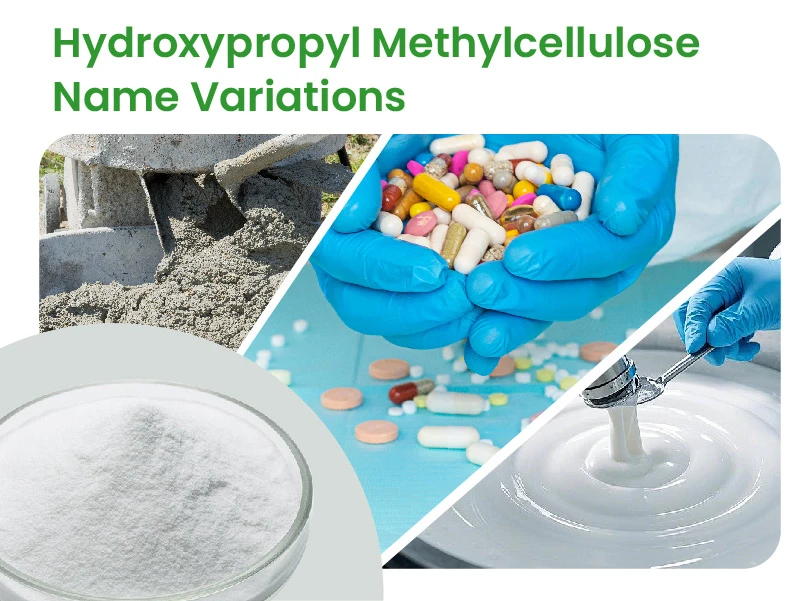
The reason is practical, not chemical. Different industries develop their own standard language over time. Pharmacopeias and excipient standards prefer hypromellose. Construction and dry-mix markets prefer HPMC. European food regulation uses E464. USP also preserves the more formal chemical-style wording cellulose hydroxypropyl methyl ether in the monograph text. These naming patterns all exist because different industries need different ways to organize information, labeling, and communication.
A good example is eye-drop labeling. DailyMed product labels identify hypromellose as an active lubricant ingredient in ophthalmic products used to relieve dryness and irritation of the eye. In that context, the pharmaceutical-style name is natural. The same material would usually not be presented to a construction customer under the same name. This is why one cellulose ether can appear to have several identities when in fact the market is simply using different naming systems.
What Zhiwei Calls It
At Zhiwei, we normally call the material Hydroxypropyl Methyl Cellulose Ether or HPMC in our product and company materials. Our official product page uses that naming directly and places HPMC inside our wider cellulose ether platform, which includes HEC, HPMC, and HEMC product families. We describe HPMC as a non-ionic cellulose mixed ether prepared from high-quality refined cotton after alkali treatment, using propylene oxide and methyl chloride as etherification agents through a series of reactions.
This naming choice makes sense for our market. Many of our customers are interested in dry-mix building materials such as masonry mortar, bonding mortar, anti-cracking mortar, putty, thermal insulation mortar, tile adhesive, grouting material, and self-leveling mortar. In that market, HPMC is the clearest and most efficient term. It connects directly to the way customers search, quote, and compare cellulose ethers for construction use.
Why Buyers Should Understand All These Names
For buyers, the naming issue is more important than it may first appear. If a buyer only knows the term HPMC, that buyer may miss useful pharmaceutical or regulatory information filed under hypromellose. If a buyer only knows the term hypromellose, that buyer may overlook industrial or construction-grade information filed under HPMC. If a food buyer only knows E464, that buyer may not immediately connect the number to the broader hydroxypropyl methylcellulose family. Understanding the name map makes sourcing and technical research easier.
This is especially true when buyers move between industries. A company may begin with a construction-grade cellulose ether discussion and later look into food, pharmaceutical, or personal-care language. The material family may stay connected, but the naming rules shift. A clear article should reduce that confusion, not add to it. That is why our answer to the title question stays simple and direct.
The Best Short Answer
If someone asks, “What is another name for hydroxypropyl methylcellulose?” the best short answer is hypromellose. If the same person asks what the common industrial short name is, the answer is HPMC. If the question comes from food regulation in Europe, the answer may be E464. If the question comes from pharmacopeia language, another formal answer is cellulose hydroxypropyl methyl ether. All of these names point back to the same core cellulose ether.
For Zhiwei, the most useful naming choice in daily business is still HPMC, because that is the term most often used by our industrial and construction customers. But when customers ask for another name, especially in a technical or international context, hypromellose is usually the first and most accurate answer.
Conclusion
Another name for hydroxypropyl methylcellulose is hypromellose. In industrial trade, it is commonly called HPMC. In European food regulation, it is identified as E464. In USP terminology, it is also described as cellulose hydroxypropyl methyl ether. These are not usually different materials. They are different names used by different industries and standards systems.
At Zhiwei, we normally use HPMC because it is the clearest term for our cellulose ether customers in construction and industrial markets. But when the goal is to answer the title question as clearly as possible, the most important alternative name to remember is hypromellose.